Shoyu Chicken Recipe: Easy Ginger Soy Chicken Thighs
Make this shoyu chicken recipe with tender ginger-soy braised thighs, rice, and bok choy for a savory weeknight dinner with restaurant-style flavor at home.
Prep
15 minutes
Cook
25 minutes
Rest
5 minutes
Total
45 minutes
Servings
4
Difficulty
Easy
Cut
Boneless skinless chicken thighs
Method
Stovetop braised
Safe internal temperature
74°C / 165°F
Nutrition per serving
542 calories
- Protein
- 35g
- Fat
- 20g
- Carbs
- 55g
- Fiber
- 3g
- Sat. fat
- 5g
- Sugar
- 8g
- Sodium
- 980mg
Nutrition values are estimates based on the listed ingredients and serving size.
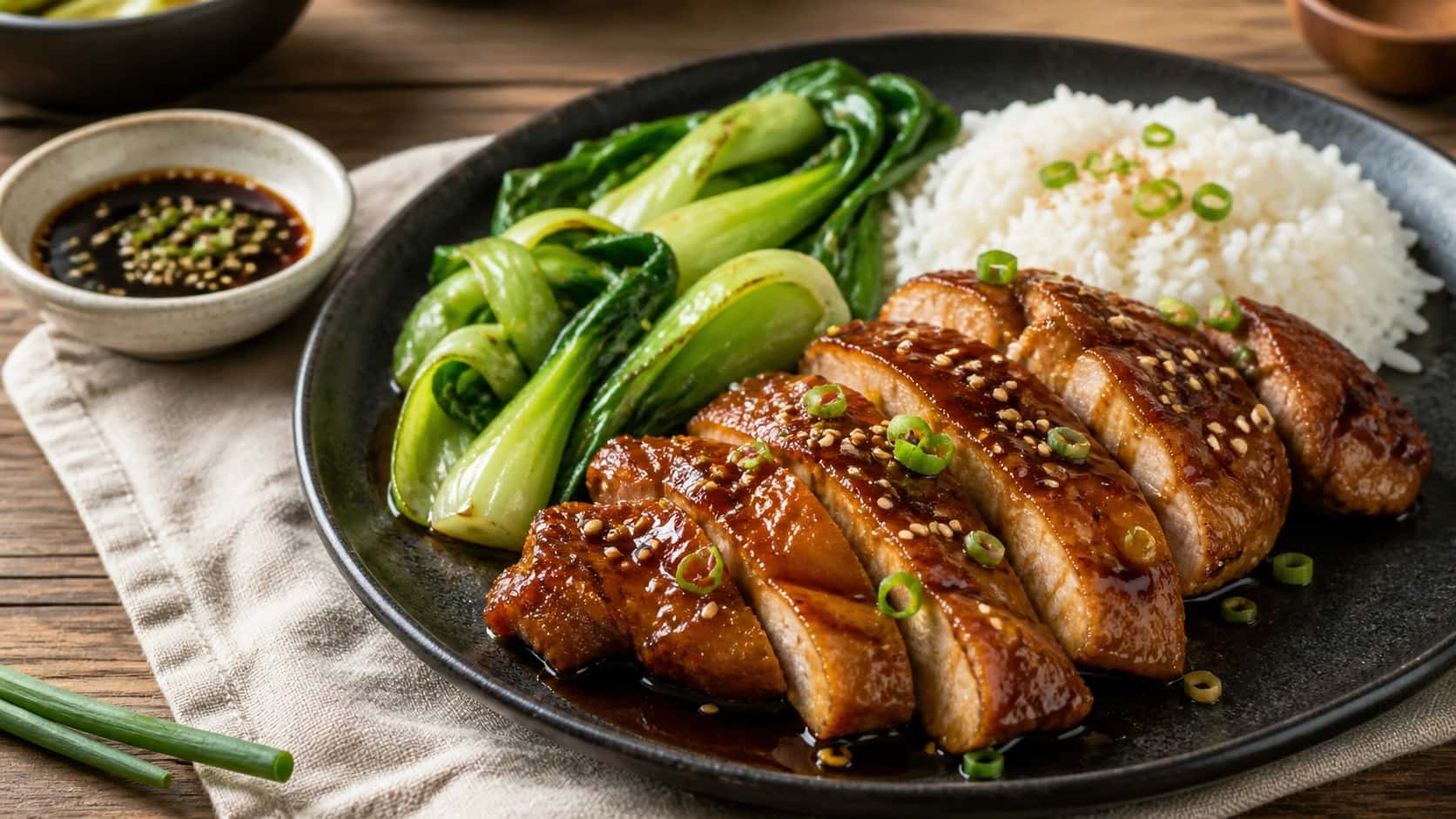
This shoyu chicken recipe turns boneless thighs into a glossy, savory dinner in one skillet. Shoyu is Japanese-style soy sauce; here, it forms the base of a quick braising sauce with fresh ginger, garlic, brown sugar, and sesame oil. Spoon the chicken and sauce over rice with tender bok choy for a weeknight meal that feels generous without a long ingredient list.
Boneless thighs suit this method because they stay moist as the sauce reduces. Keep the simmer gentle, then let the chicken rest for a few minutes before slicing. That brief rest helps the meat stay juicy while the sauce settles into a spoonable glaze.
Why You'll Love This Recipe
- You can brown the chicken and build the sauce in one skillet.
- Boneless thighs cook quickly and stay tender if they go a minute or two over.
- Ginger and garlic bring plenty of flavor without alcohol or a complicated pantry list.
- The recipe scales easily for a family dinner or meal prep.
- Leftovers work well in rice bowls, lettuce cups, or noodles.
Recipe Information
| Detail | Amount |
|---|---|
| Preparation time | 15 minutes |
| Cooking time | 25 minutes |
| Resting time | 5 minutes |
| Total time | 45 minutes |
| Servings | 4 |
| Internal temperature | 74°C / 165°F |
The internal temperature is the food-safety target for chicken. Check the thickest part of a thigh with an instant-read thermometer, keeping the probe away from the skillet. If the pieces vary noticeably in thickness, lightly pound the larger ones so they finish together.
Ingredients
For the chicken and sauce
- 2 pounds (900 g) boneless, skinless chicken thighs
- 1 tablespoon neutral oil, such as avocado or sunflower oil
- 1/3 cup low-sodium soy sauce or halal-certified shoyu
- 1/2 cup chicken broth
- 2 tablespoons brown sugar
- 1 tablespoon rice vinegar
- 1 teaspoon toasted sesame oil
- 1 tablespoon fresh ginger, finely grated
- 3 garlic cloves, finely grated or minced
- 2 scallions, thinly sliced, divided
- 1 tablespoon cornstarch
- 2 tablespoons cold water
- 1 teaspoon sesame seeds, optional
For serving
- 3 cups cooked short-grain or jasmine rice
- 4 small heads bok choy, halved lengthwise
- 1 teaspoon neutral oil
- Pinch of salt
Use a soy sauce you like on its own because it is the strongest flavor in the pan. Low-sodium soy sauce gives you more control over the final salt level. Rice vinegar balances the sauce, though apple cider vinegar works in a pinch. Skip cooking wine or mirin here; the brown sugar provides enough gentle sweetness.
Step-by-Step Instructions
1. Mix the braising sauce
In a measuring cup, whisk together the soy sauce, chicken broth, brown sugar, rice vinegar, sesame oil, ginger, garlic, and white parts of the scallions. Stir until the sugar mostly dissolves. In a separate small bowl, mix the cornstarch and cold water until smooth. Keep the slurry nearby so you can thicken the sauce at the end without lumps.
2. Brown the chicken
Pat the chicken thighs dry with paper towels. Heat the neutral oil in a wide skillet over medium-high heat. Add the thighs in a single layer, working in two batches if the pan is crowded. Cook for 4 to 5 minutes on the first side, until well browned, then turn and cook for 2 minutes on the second side. Transfer the chicken to a plate; it will not be cooked through yet.
Let the chicken sit long enough to brown before moving it. Once the surface has formed a crust, it should release more easily and leave flavorful browned bits for the sauce.
3. Braise until cooked through
Reduce the heat to medium. Pour the ginger-soy mixture into the skillet and scrape up the browned bits with a wooden spoon. Return the chicken and any juices to the pan. The liquid should come partway up the thighs; add a splash more broth if you are using a very wide skillet.
Bring the liquid to a gentle simmer, cover, and cook for 10 to 12 minutes, turning the thighs once halfway through. Uncover and check the thickest piece; it must reach 74°C / 165°F. Transfer the cooked chicken to a clean plate and tent it loosely with foil for 5 minutes.
4. Finish the glaze and vegetables
Whisk the cornstarch slurry again, then stir it into the simmering sauce. Cook for 1 to 2 minutes, stirring, until the sauce coats a spoon. Taste it and add a splash of broth if it is too intense.
For the bok choy, heat 1 teaspoon oil in a second skillet, or clear some space in the first pan before finishing the sauce. Place the bok choy cut-side down and cook for 2 minutes. Add 2 tablespoons water, cover, and steam for 2 to 3 minutes, until the stems are crisp-tender. Season with a small pinch of salt.
5. Slice and serve
Slice the rested chicken across the grain. Divide the rice among four bowls, then add the bok choy and chicken. Drizzle with the warm sauce and finish with the green parts of the scallions and sesame seeds. Serve right away while the glaze is shiny and the rice is hot.
Tips for Best Results
Use a wide skillet so the sauce reduces at a steady pace. A very small pot makes the chicken steam, while an oversized pan can reduce the liquid too quickly. If the sauce thickens before the chicken reaches temperature, lower the heat and loosen it with broth, 1 tablespoon at a time.
Fresh ginger tastes brighter than ground ginger in this shoyu chicken recipe. Freeze a knob and grate it straight from frozen whenever you need a small amount. For a deeper savory finish, let the uncovered sauce bubble for 1 extra minute after removing the chicken, watching closely because the sugar can scorch.
Start the rice before the chicken so both are ready together. For fluffy rice, rinse it until the water runs nearly clear and keep the lid closed during its rest. For another rice-bowl idea, try this easy chicken fried rice recipe.
Ingredient Substitutions
Chicken breast can replace the thighs, but reduce the covered simmer time and check its temperature early because breast meat dries out more easily. Use tamari for a gluten-free option, verifying that its other ingredients suit your needs. Coconut sugar can replace brown sugar, though it gives the sauce a darker color and a slightly caramel-like flavor.
Broccoli florets, sugar snap peas, or green beans are good alternatives to bok choy. Steam or saute them separately until crisp-tender, then spoon the chicken sauce over the top. For gentle heat, add a pinch of red pepper flakes to the braising sauce instead of using a bottled sauce with unknown ingredients.
What to Serve With
Steamed rice is the classic partner because it catches every bit of ginger-soy sauce. Cucumber salad with rice vinegar and sesame seeds adds crunch, while roasted carrots bring sweetness. For a larger spread, pair the bowls with lemon herb chicken and orzo, or make a crisp chicken parm recipe another night.
For a simple vegetable side, serve shredded cabbage tossed with lime juice, a little sesame oil, and sliced scallions. The fresh, sharp flavor keeps the dinner from feeling heavy.
Storage Instructions
Cool the chicken, sauce, rice, and vegetables promptly, then refrigerate them in separate airtight containers within 2 hours. Store the chicken with a few spoonfuls of sauce to help it stay moist. Refrigerated leftovers keep well for up to 3 days.
For longer storage, freeze sliced chicken and sauce together in a freezer-safe container for up to 2 months. Freeze rice separately in flat portions for quicker thawing. Bok choy is best eaten fresh, so make a new vegetable side after thawing the chicken.
Reheating Instructions
Reheat the chicken and sauce in a covered skillet over low heat with 1 to 2 tablespoons of water or broth. Stir occasionally until the chicken is hot throughout; avoid a hard boil, which can make the meat tough. Reheat rice in the microwave with a spoonful of water and a loose cover, or steam it briefly in a skillet.
If reheating from frozen, thaw overnight in the refrigerator when possible. Reheat only the portion you plan to eat and discard leftovers that have sat at room temperature for more than 2 hours.
Frequently Asked Questions
What does shoyu chicken taste like?
Shoyu chicken is savory, slightly sweet, and aromatic from soy sauce, ginger, garlic, and sesame oil. It is not spicy unless you add chile. The sauce is rich enough for rice but stays bright from the vinegar.
Can I marinate the chicken first?
Yes. Reserve half of the mixed sauce for cooking, then marinate the chicken in the other half for up to 4 hours in the refrigerator. Never use marinade that touched raw chicken as a finished sauce unless it is boiled thoroughly; using a reserved portion is simpler and safer.
Why is my sauce too salty?
Soy sauces differ greatly in saltiness. Use low-sodium soy sauce, measure carefully, and thin the finished sauce with unsalted broth if needed. Extra rice and vegetables also make the dish feel more balanced.
Can I make this shoyu chicken recipe ahead?
Yes. Cook the chicken and sauce up to 3 days ahead, cool promptly, and refrigerate. Reheat gently with a splash of broth, then make the rice and vegetables just before serving for the best texture.
Conclusion
This shoyu chicken recipe is a straightforward way to turn chicken thighs into a sauce-forward dinner. Brown the thighs, simmer them gently in the ginger-soy sauce, and use a thermometer for the final doneness check. Add rice, green vegetables, and scallions, then browse more chicken recipes when you want another practical chicken dinner.
Nutrition Notes
Nutrition values are estimates per serving, including rice and bok choy. They are calculated from the ingredients and four-serving yield above; sodium can vary significantly by the soy sauce and broth you choose.
Keep cooking
You might also like
Easy Jerk Chicken Recipe with Grilled Chicken Thighs
Make this jerk chicken recipe with a fragrant homemade spice paste, charred edges, and juicy chicken thighs grilled at home for an easy dinner.
Chicken · Prep 25 minutes · Cook 25 minutes
Sheet-Pan Chicken and Sausage with Peppers
Roast chicken thighs, fully cooked chicken sausage, peppers, and onion on one pan with lemon and herbs. Keep space on the pan for browning.
Chicken · Prep 15 minutes · Cook 35 minutes
Chicken Ramen Recipe: Easy Ginger Chicken Noodle Bowl
Make this chicken ramen recipe with tender chicken, savory ginger broth, noodles, bok choy, corn, and jammy eggs for an easy, comforting weeknight dinner.
Chicken · Prep 15 minutes · Cook 25 minutes