Beef Striploin Roast Recipe for a Juicy Oven Roast
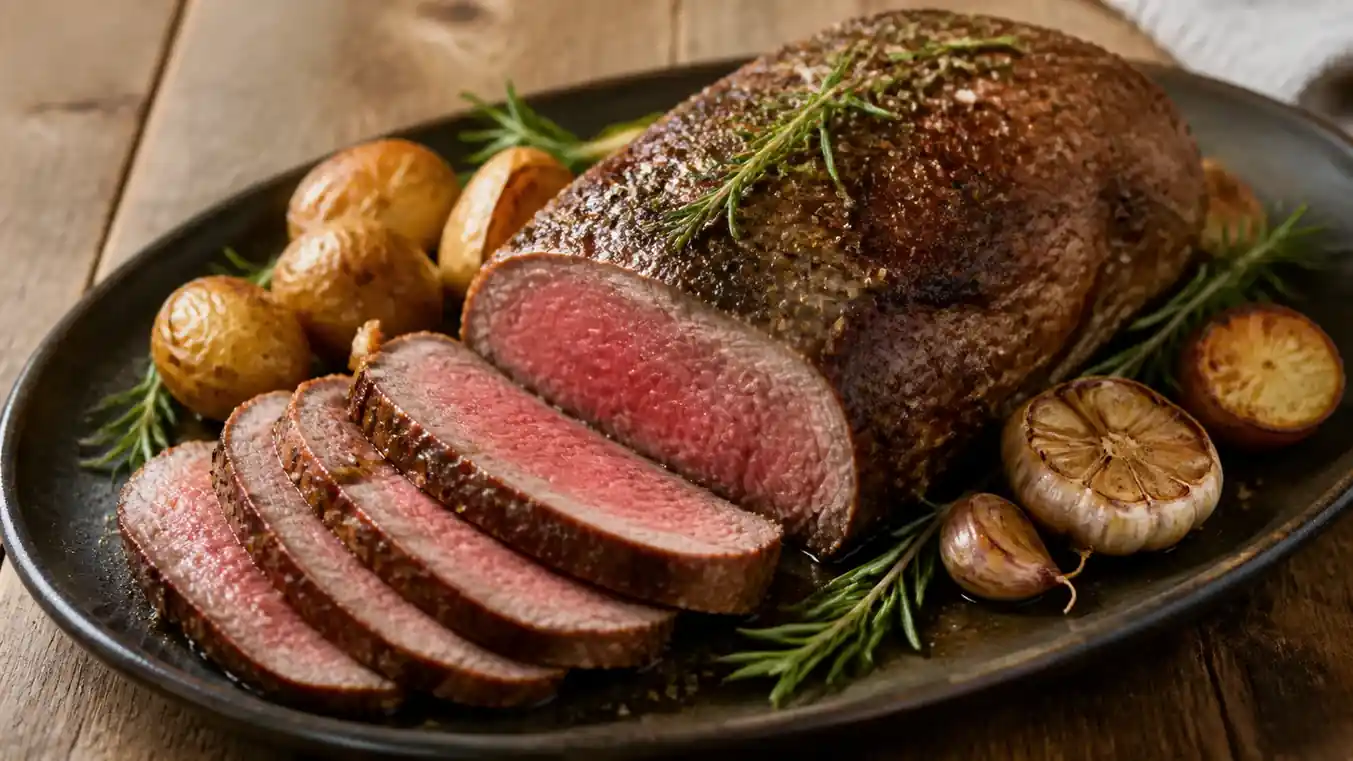
This beef striploin roast recipe delivers a juicy, rosemary-crusted oven roast with a rosy center, crisp edges, and simple pan juices for dinner.
Prep
20 minutes
Cook
50 minutes
Rest
15 minutes
Total
1 hour 25 minutes
Servings
4
Difficulty
Easy
Cut
Beef striploin roast
Method
Oven roasted
Safe internal temperature
57°C / 135°F for medium-rare
Nutrition per serving
590 calories
- Protein
- 47g
- Fat
- 42g
- Carbs
- 5g
- Fiber
- 1g
- Sat. fat
- 15g
- Sugar
- 1g
- Sodium
- 540mg
Nutrition values are estimates based on the listed ingredients and serving size.
This beef striploin roast recipe gives you a browned, rosemary-crusted exterior and a rosy center without a complicated technique. Striploin already has plenty of flavor, so the rub stays simple: rosemary, garlic, Dijon mustard, black pepper, and smoked paprika.
The thermometer matters more than the clock. The roast starts in a hot oven for color, then finishes at a lower temperature so the center cooks more gently. Pull it just before it reaches your target, let it rest, and use the browned bits and onions in the pan to make quick pan juices. It is an easy way to put a polished roast dinner on the table.
Why You'll Love This Recipe
- The rosemary-garlic seasoning takes only a few minutes to mix.
- Starting hot and finishing at a lower temperature builds a crust while the center stays rosy.
- The drippings and onions turn into pan juices with very little extra work.
- Thinly sliced striploin works with potatoes, vegetables, or a crisp salad.
- An instant-read thermometer takes the guesswork out of doneness.
Recipe Information
| Detail | Amount |
|---|---|
| Preparation time | 20 minutes |
| Cooking time | 50 minutes |
| Resting time | 15 minutes |
| Total time | 1 hour 25 minutes |
| Servings | 4 |
| Internal temperature | 57°C / 135°F for medium-rare |
Ingredients
- 2 1/2 to 3 pounds beef striploin roast, tied if needed for an even shape
- 1 1/2 tablespoons olive oil
- 1 tablespoon Dijon mustard
- 4 garlic cloves, finely grated or minced
- 1 tablespoon finely chopped fresh rosemary
- 2 teaspoons kosher salt
- 1 teaspoon freshly ground black pepper
- 1 teaspoon smoked paprika
- 1 small onion, cut into thick wedges
- 1 cup low-sodium beef stock
- 1 teaspoon cornstarch mixed with 1 tablespoon cold water, optional, for a thicker sauce
Look for a roast with an even thickness and a light cap of fat. The fat helps baste the meat as it roasts, and an even shape means the slices finish at a more consistent doneness. If one end is noticeably thin, tuck it underneath and tie the roast with kitchen twine.
Step-by-Step Instructions
1. Season and temper the roast
Take the beef out of the refrigerator 30 minutes before roasting. Pat it dry with paper towels. Mix the olive oil, Dijon, garlic, rosemary, salt, pepper, and paprika in a small bowl, then rub the mixture over every side of the roast. Put the onion wedges in the center of a sturdy roasting pan and set the beef on top, fat side up.
2. Start hot for a flavorful crust
Heat the oven to 230°C / 450°F. Roast the beef uncovered for 15 minutes. This initial blast of heat browns the outside and builds the roast's savory crust. Keep the oven closed during this stage.
3. Lower the heat and roast to temperature
Reduce the oven to 175°C / 350°F. Continue roasting for 30 to 40 minutes, checking the center with an instant-read thermometer after 25 minutes. Insert the probe into the thickest part of the meat without touching fat or the pan. For medium-rare, pull the roast at 54°C / 130°F; it should rise to about 57°C / 135°F as it rests. For medium, remove it at 60°C / 140°F and aim for a final temperature near 63°C / 145°F.
4. Rest before slicing
Move the roast to a warm board or platter and loosely tent it with foil for 15 minutes. Slicing right away sends more of the juices onto the board, so give the meat the full resting time. The center should reach its final medium-rare temperature of 57°C / 135°F as it rests.
5. Make quick pan juices
While the beef rests, pour off excess fat from the roasting pan, leaving the onions and browned bits behind. Set the pan over medium heat, add the beef stock, and scrape up the fond with a wooden spoon. Simmer for 4 to 5 minutes. For a slightly thicker sauce, whisk in the cornstarch slurry and cook for one more minute. Strain it if you prefer smooth pan juices.
6. Carve and serve
Remove any twine. Slice the striploin thinly across the grain, spoon a little pan juice over the slices, and serve the rest at the table. Arrange the first slices on a warmed platter so they stay hot while you finish carving.
Tips for Best Results
Use a thermometer, especially for an expensive roast. Ovens vary, and thickness affects the cooking time more than weight does. Aim for the lower pull temperature because the beef continues cooking as it rests.
If you have time, leave the roast uncovered in the refrigerator for several hours before seasoning. A dry surface browns more efficiently. Add the salt just before roasting if you do this, so the surface does not become wet again.
Slice against the grain. The muscle fibers in striploin usually run lengthwise, so cut perpendicular to the visible lines for the most tender bite. Also, avoid crowding the pan with vegetables during the initial roast; the beef needs open space around it to brown.
Ingredient Substitutions
Fresh thyme can replace the rosemary, or use half thyme and half rosemary for a milder herbal flavor. Whole-grain mustard works in place of Dijon, although its texture will be more noticeable on the crust. If you do not have smoked paprika, use sweet paprika or leave it out.
You can substitute a boneless sirloin roast, but start checking the temperature early because its shape may cook differently. For another special-occasion main, try this roast beef chuck roast recipe or browse more beef recipes.
What to Serve With
Roasted potatoes are a natural match for the pan juices. Green beans, asparagus, or a crisp peppery salad add balance, while creamy mashed potatoes make the meal more traditional and can be prepared as the beef rests. For a fresh starter on another occasion, try beef carpaccio with lemon and capers.
For another hearty beef dinner during the week, these beef tips from the slow cooker take a completely different, hands-off approach.
Storage Instructions
Cool leftover beef within two hours of cooking. Store the sliced roast and pan juices separately in shallow, airtight containers in the refrigerator for up to three days. A little cooled pan juice over the slices helps keep them from drying out.
For longer storage, freeze portions with a spoonful of sauce for up to two months. Thaw the beef overnight in the refrigerator rather than at room temperature.
Reheating Instructions
For the juiciest leftovers, warm the slices gently in a covered skillet with a few tablespoons of pan juice or beef stock over low heat. Heat them only until warmed through; high heat will quickly make a medium-rare slice gray and firm. You can also reheat covered slices in a 150°C / 300°F oven for 8 to 12 minutes.
If you are reheating a larger leftover piece, warm it slowly and use a thermometer. Reheated leftovers should reach 74°C / 165°F for food safety. Serve them promptly after reheating, and do not reheat the same leftovers more than once.
Food Safety
Keep raw beef separate from ready-to-eat foods, and wash the board, knife, thermometer probe, and your hands after handling it. The medium-rare serving temperature in this recipe is a quality target for an intact striploin roast; use a reliable thermometer and follow any local food-safety advice that applies to your household. Refrigerate leftovers promptly and reheat them thoroughly before serving.
Frequently Asked Questions
What is the best temperature for striploin roast?
For medium-rare, pull the beef at 54°C / 130°F and rest it to a final 57°C / 135°F. For medium, pull it at 60°C / 140°F and expect it to finish close to 63°C / 145°F. Always measure in the thickest center section.
Can I make this beef striploin roast recipe ahead?
You can season the roast up to one day ahead and keep it covered in the refrigerator. For the rosiest center, cook and carve it shortly before serving. If needed, make the pan juices ahead and rewarm them while the roast rests.
Why is my roast tough?
Toughness usually comes from overcooking or slicing with the grain. Use the thermometer instead of extending the roast time, let the beef rest fully, and carve it thinly across the muscle fibers.
Do I need to sear it on the stovetop first?
No. The 230°C / 450°F opening stage creates enough browning for this method. Skipping a stovetop sear also keeps cleanup simple and prevents smoke in the kitchen.
Conclusion
This beef striploin roast recipe keeps the method simple: season the meat, use high heat to brown it, lower the oven, and follow the thermometer. Give the roast its full resting time, then carve it into thin slices and serve it with the quick pan juices.
Nutrition is an estimate per serving, based on four servings of the listed ingredients and including a share of the pan juices.
Keep cooking
You might also like
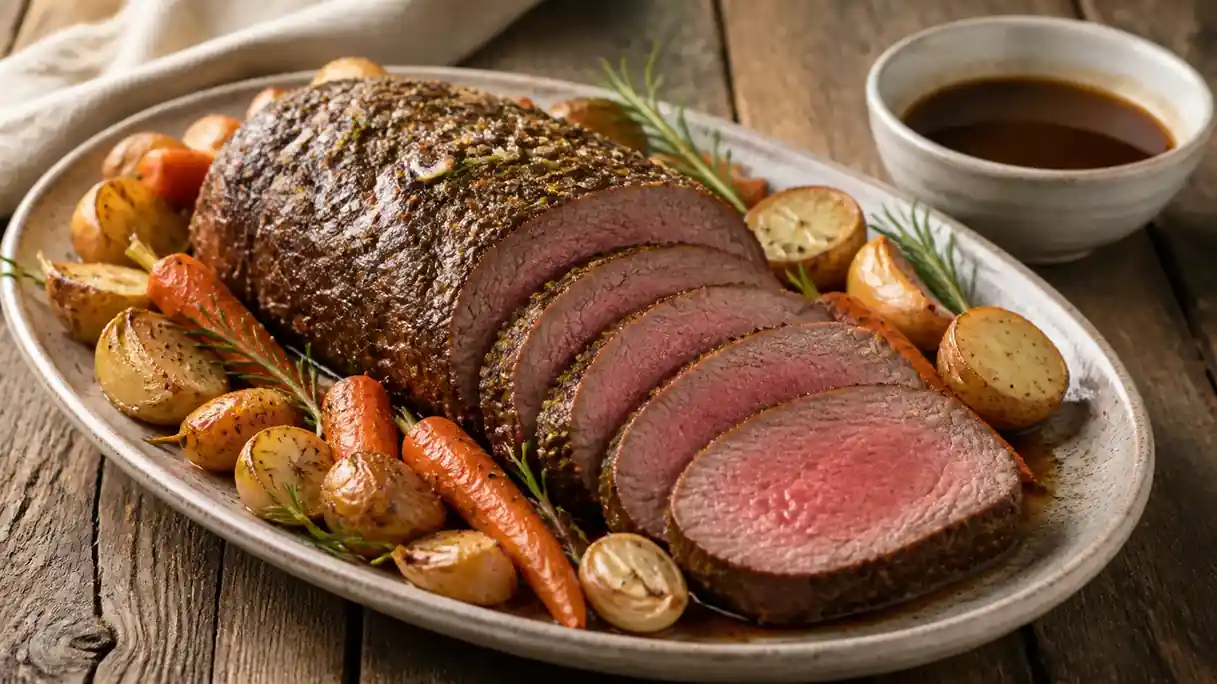
Garlic-Herb Beef Eye of Round Roast
Roast lean beef eye of round with garlic, herbs, and vegetables, then slice thinly across the grain. Includes a pan jus and safe temperature guidance.
Beef · Prep 20 minutes · Cook 1 hour 15 minutes
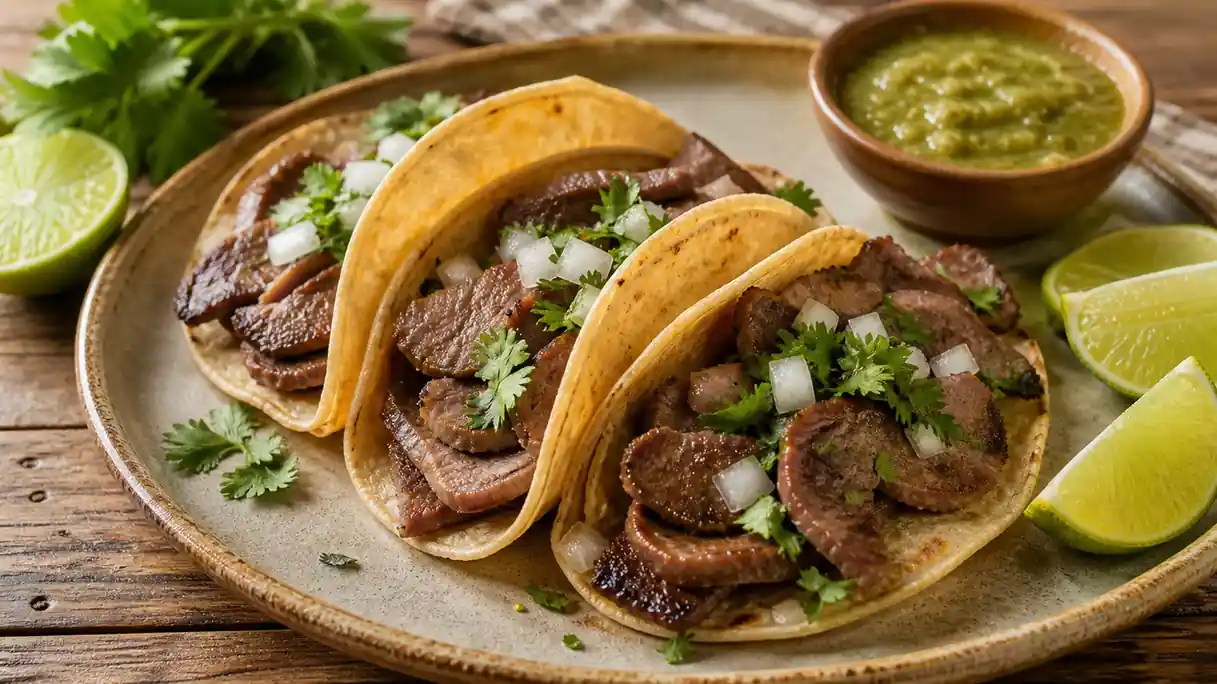
Beef Tongue Taco Recipe: Tender, Crisp Skillet Tacos
This beef tongue taco recipe turns tender braised beef tongue into crisp skillet tacos with onion, cilantro, lime, and salsa verde for an easy dinner.
Beef · Prep 25 minutes · Cook 3 hours
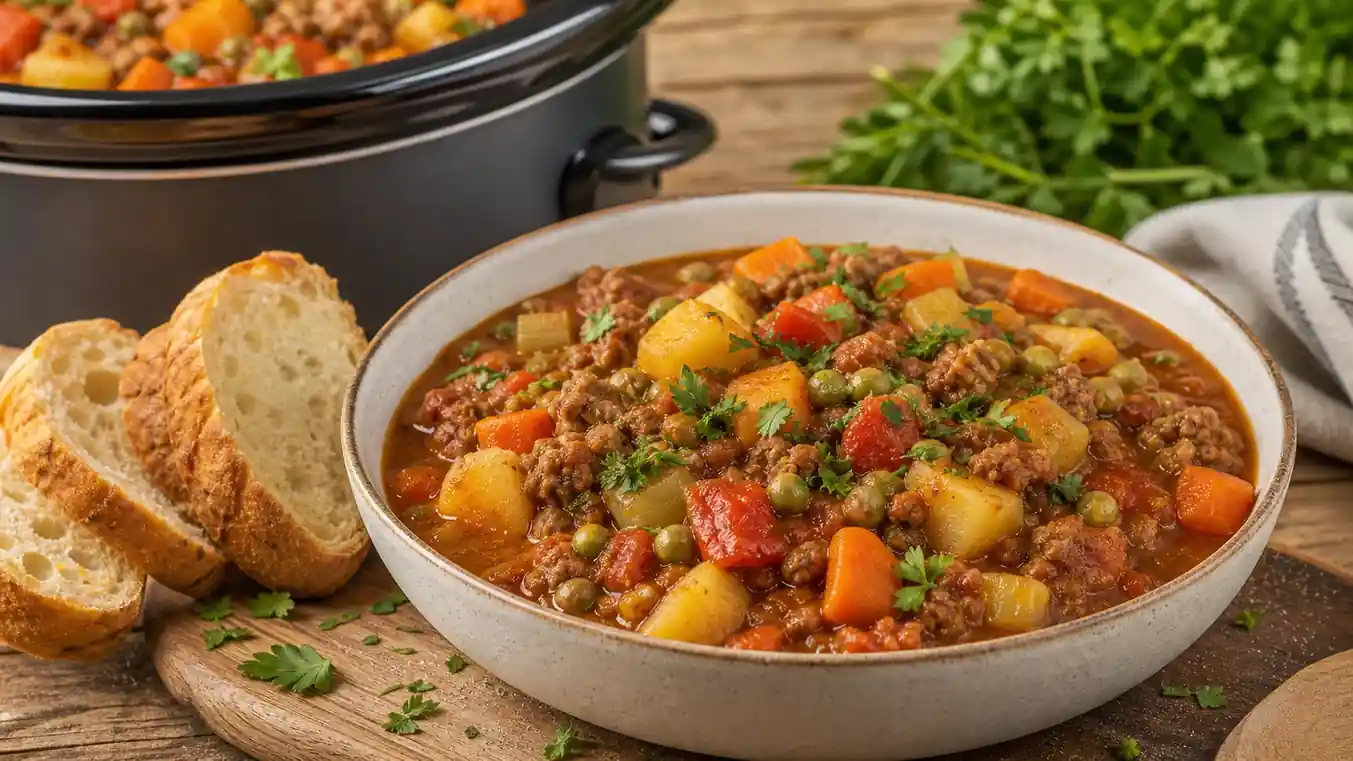
Slow Cooker Ground Beef and Potato Stew
Slow-cook browned ground beef with potatoes, carrots, celery, peas, and tomatoes for a hearty stew with a savory tomato broth.
Beef · Prep 20 minutes · Cook 4 hours 30 minutes