Beef Carpaccio Recipe with Lemon, Capers, and Parmesan
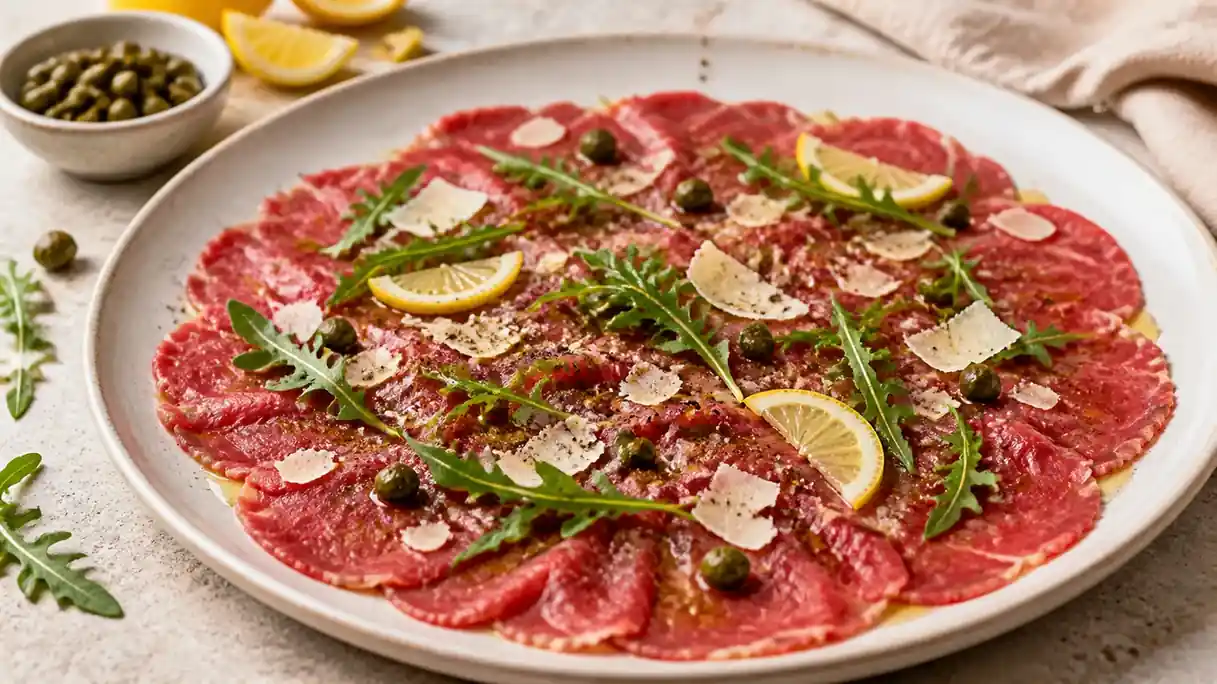
This beef carpaccio recipe layers paper-thin tenderloin with lemon, capers, Parmesan, and arugula for an elegant chilled starter, ready in 40 minutes.
Prep
25 minutes
Cook
0 minutes
Rest
15 minutes
Total
40 minutes
Servings
4
Difficulty
Easy
Cut
Beef tenderloin
Method
Chilled and thinly sliced
Safe internal temperature
4°C / 40°F maximum while chilled
Nutrition per serving
310 calories
- Protein
- 27g
- Fat
- 21g
- Carbs
- 2g
- Fiber
- 1g
- Sat. fat
- 7g
- Sugar
- 1g
- Sodium
- 530mg
Nutrition values are estimates based on the listed ingredients and serving size.
Beef Carpaccio Recipe with Lemon, Capers, and Parmesan
This beef carpaccio recipe turns a small piece of tenderloin into an elegant starter without turning on the stove. The beef is sliced almost transparently, then finished with lemon, peppery arugula, briny capers, and Parmesan. It feels like dinner-party food, but the actual assembly is straightforward.
Since carpaccio is served raw, sourcing and handling the beef matter more than elaborate technique. Buy a whole, intact center-cut tenderloin from a trusted butcher, explain that you plan to serve it raw, and keep it cold from the shop to the plate. A clean knife and cutting board, quick prep, and immediate serving help keep the beef's flavor clean and fresh.
Why You'll Love This Recipe
- It makes a polished appetizer from a short, purposeful ingredient list.
- There is no cooking, so the lemony dressing and tender beef stay the focus.
- Partially chilling the tenderloin makes thin, even slicing much easier.
- You can plate it on one large platter or make four individual starters.
- The garnishes are flexible while the core method remains simple.
Recipe Information
| Detail | Amount |
|---|---|
| Preparation time | 25 minutes |
| Cooking time | 0 minutes |
| Resting time | 15 minutes |
| Total time | 40 minutes |
| Servings | 4 |
| Chilled holding temperature | 4°C / 40°F maximum |
Ingredients for This Beef Carpaccio Recipe
- 1 pound beef tenderloin, very cold, trimmed of all silverskin
- 2 tablespoons extra-virgin olive oil
- 1 tablespoon fresh lemon juice
- 1 teaspoon finely grated lemon zest
- 1/2 teaspoon kosher salt, plus more only if needed
- 1/2 teaspoon freshly ground black pepper
- 2 tablespoons capers, drained well
- 1 cup baby arugula
- 1 1/2 ounces Parmesan cheese, shaved with a vegetable peeler
- 1 lemon, cut into wedges for serving
Choose tenderloin rather than a steak that has already been cut. A whole center-cut piece has a more uniform shape, fewer exposed surfaces, and slices into the neat rounds that make carpaccio look special. Ask for meat with no marinade or added tenderizer, and leave it in its original wrapping until you're ready to prep it.
Capers add a briny contrast and Parmesan brings savory depth. If the capers are salt-packed, rinse them briefly and pat them dry. The lemon zest is optional, but it adds fragrance without thinning the dressing.
Step-by-Step Instructions
1. Chill the tenderloin for clean slicing
Pat the cold tenderloin dry with a paper towel. Wrap it snugly in parchment or plastic wrap and place it in the freezer for 15 minutes. You only want to firm the outside, not freeze the meat solid. That short rest gives the knife a steadier surface and makes thin, even slices much easier.
While the beef chills, wash and dry the arugula, drain the capers, shave the Parmesan, and put four plates or one large platter in the refrigerator. A cold serving surface helps the finished carpaccio stay at 4°C / 40°F or below until it reaches the table.
2. Make the lemon dressing
In a small bowl, whisk the olive oil, lemon juice, lemon zest, kosher salt, and black pepper until blended. Taste it before it touches the beef: it should be bright and peppery, not aggressively sour. Set the dressing aside while you slice, but keep the beef refrigerated until you're ready to plate it.
3. Slice the beef very thinly
Unwrap the firm tenderloin and place it on a freshly cleaned cutting board. With a long, very sharp knife, slice across the grain at a slight angle. Use long, smooth strokes and aim for slices that are nearly translucent. If the meat softens before you're finished, return it to the freezer for 5 minutes instead of forcing the knife through thicker cuts.
For a particularly delicate presentation, place each slice between two sheets of parchment and press gently with the flat side of a heavy skillet or a meat mallet. Don't pound it; the goal is only to widen the slice a little. Use fresh parchment for each batch and refrigerate the slices as you work.
4. Arrange and dress
Overlap the beef slices in a single layer on the cold platter or divide them among four plates. Spoon the dressing lightly over the beef, then scatter the capers, arugula, and Parmesan over the top. Finish with a little more black pepper and serve lemon wedges alongside.
Serve immediately. The beef should still be cold, the arugula crisp, and the lemon dressing fresh rather than sitting long enough to soften the surface.
Tips for Best Results
Start with a very clean work area. Wash your hands, sanitize the board and knife, and keep the raw beef away from ready-to-eat foods. Transfer the finished carpaccio to a clean plate instead of putting it back on the board or packaging that held the raw tenderloin.
A sharp slicing knife matters more than expensive equipment. Hone it before you begin, and wipe the blade after a few cuts if the meat starts to drag. A dull knife compresses the beef and makes thin slices difficult. If you use a deli slicer, follow the manufacturer's instructions and clean it thoroughly before and after use.
Dress the slices lightly. Too much lemon juice can make the surface gray and firm, while too much oil can hide the beef's delicate texture. Add just enough dressing to gloss the slices; guests can squeeze on more lemon at the table. Keep the portion small enough to eat promptly instead of letting a large platter sit.
Ingredient Substitutions
If tenderloin is unavailable, ask a trusted butcher about another very lean, tender cut suitable for raw service. Avoid pre-ground beef, mechanically tenderized cuts, and steaks with lots of seams or exterior fat. They aren't appropriate substitutes for this preparation.
Baby watercress can replace arugula for a peppery finish, while tender microgreens make a milder alternative. Use Pecorino instead of Parmesan for a sharper cheese. For caper-free carpaccio, try a few finely chopped cornichons or a small spoonful of well-drained green olives; both provide the salty-acidic note that balances the beef.
You can simplify the lemon dressing to olive oil, lemon juice, salt, and pepper. Don't replace the citrus with wine, spirits, or a bottled marinade. Fresh lemon gives the dish the clean flavor and thin consistency it needs.
What to Serve With
Serve this starter with warm crusty bread, thin toasted flatbread, or crisp crackers to catch the dressing. A simple shaved-fennel salad, roasted asparagus, or peppery greens keeps the meal light and leaves the carpaccio as the centerpiece.
For a fuller beef-centered menu, follow it with Italian braised beef with tomato and herbs or browse more beef recipes. If you would rather serve a warm main course, Beef Lomo Saltado and Shaking Beef offer very different textures with the same satisfying beef flavor.
Storage Instructions
Carpaccio should be made and eaten right away. Don't prepare it a day ahead or save dressed leftovers. Once the beef has been sliced, keep it refrigerated and serve it during the same meal. If it has been at room temperature for 2 hours, discard it.
Refrigerate an unopened, intact piece of tenderloin according to its package date and your butcher's guidance. If you won't use it promptly, freeze the whole piece before its use-by date and thaw it in the refrigerator. Never thaw tenderloin on the counter, and never refreeze beef that has been sliced for raw service.
Reheating Instructions
This beef carpaccio recipe isn't reheated. Heating the finished plate would change its intended texture and the fresh flavor of the dressing. If you have undressed tenderloin that has been handled safely and kept cold, cook it thoroughly in a separate recipe instead of trying to serve it again as carpaccio.
Frequently Asked Questions
Is beef carpaccio safe to eat?
Raw or undercooked beef carries a higher foodborne-illness risk than cooked beef. Buy a whole intact tenderloin from a trusted source, tell the butcher it will be served raw, keep it at 4°C / 40°F or below, and use clean tools and surfaces. Pregnant people, young children, older adults, and anyone with a weakened immune system should choose fully cooked beef instead.
Can I sear the beef first?
Briefly searing the outside creates a different dish and doesn't cook the interior. If you prefer cooked beef, make a thinly sliced steak salad and cook the steak to your preferred safe doneness. For classic carpaccio, use carefully sourced tenderloin and serve it chilled.
Why does the tenderloin need a freezer rest?
The short freezer rest firms the beef enough for the knife to glide through it in thin slices. It should remain flexible, not freeze hard. If your freezer runs very cold, start checking it after 10 minutes.
Can I make individual plates instead of a platter?
Yes. Arrange one-quarter of the beef on each chilled plate, then divide the dressing and garnishes evenly. Individual plates work well for dinner parties because the carpaccio stays cold and reaches each guest looking polished.
Are the nutrition values exact?
The nutrition information is a per-serving estimate based on 1 pound of trimmed beef tenderloin, olive oil, Parmesan, capers, arugula, and four servings. Trimming, cheese brands, and how much dressing remains on the platter can change the final values.
Conclusion
Good beef and careful handling do most of the work in this easy appetizer. Chill the tenderloin, slice it patiently, keep the plate cold, and use the lemon, capers, and Parmesan with a light hand. Serve it right away for a fresh, balanced starter that lets the tender beef stay in focus.
Keep cooking
You might also like
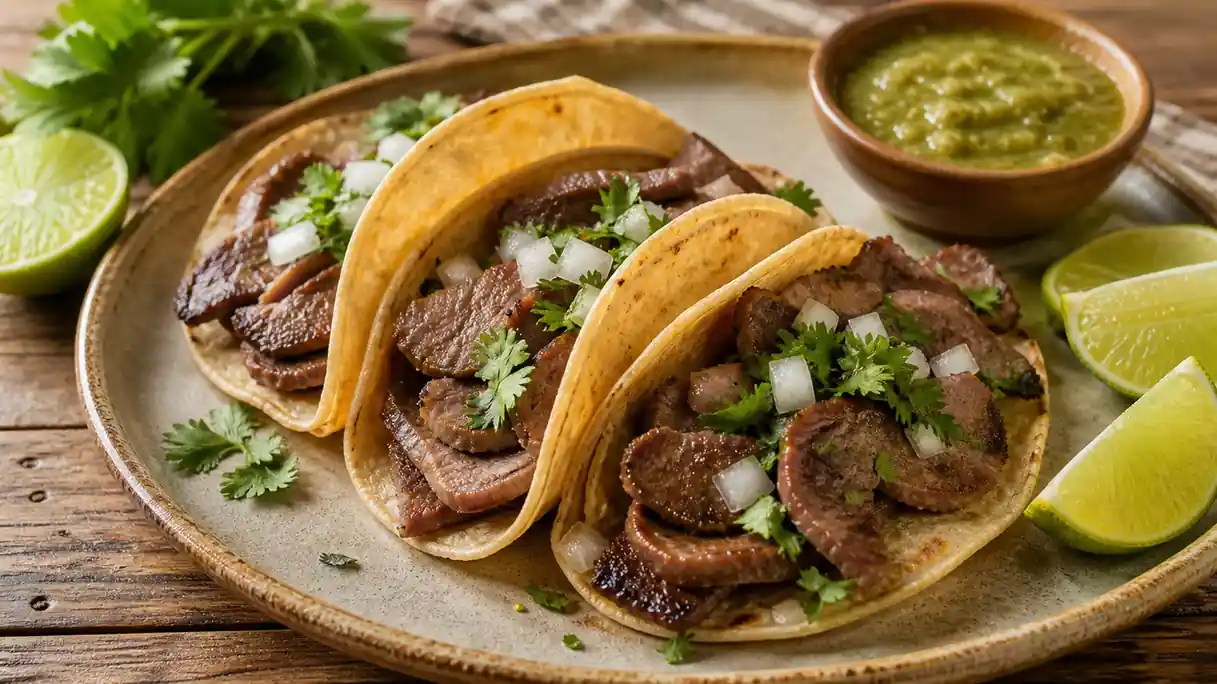
Beef Tongue Taco Recipe: Tender, Crisp Skillet Tacos
This beef tongue taco recipe turns tender braised beef tongue into crisp skillet tacos with onion, cilantro, lime, and salsa verde for an easy dinner.
Beef · Prep 25 minutes · Cook 3 hours
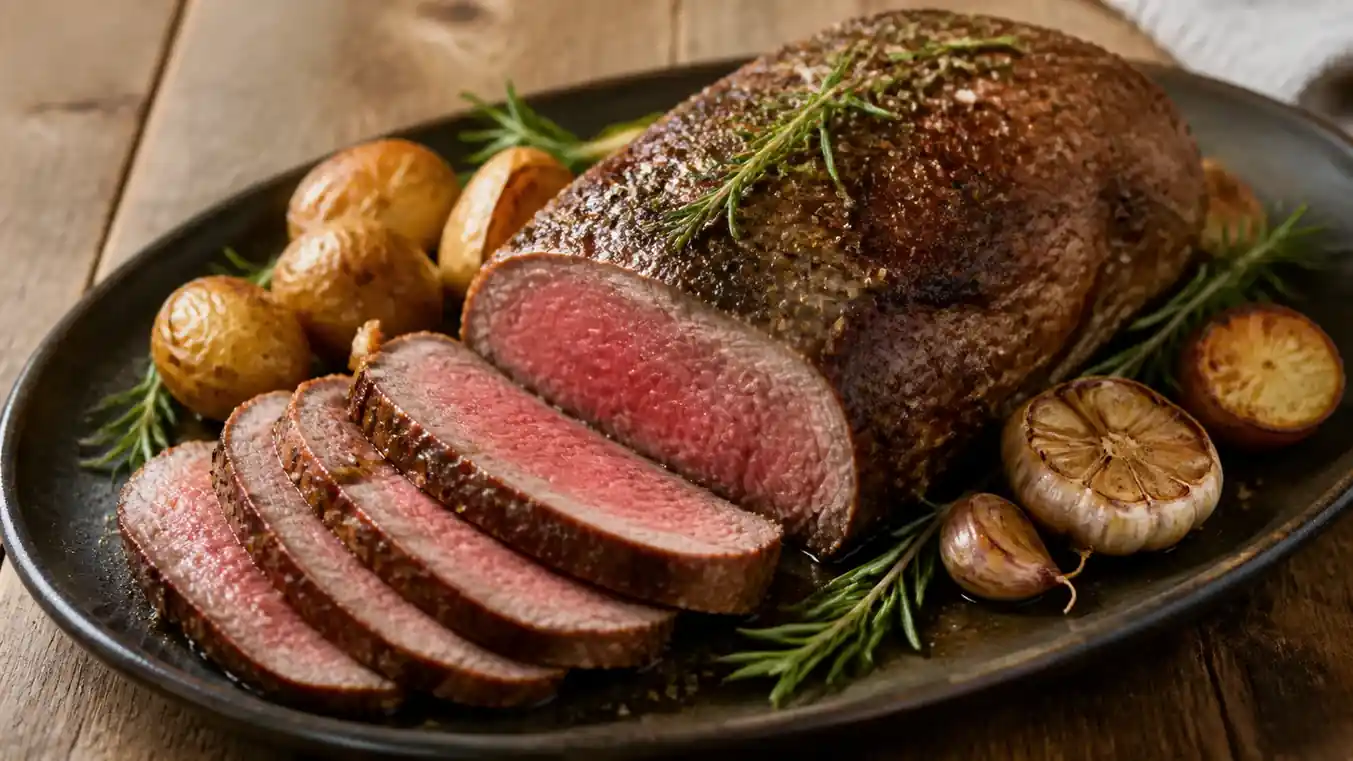
Beef Striploin Roast Recipe for a Juicy Oven Roast
This beef striploin roast recipe delivers a juicy, rosemary-crusted oven roast with a rosy center, crisp edges, and simple pan juices for dinner.
Beef · Prep 20 minutes · Cook 50 minutes
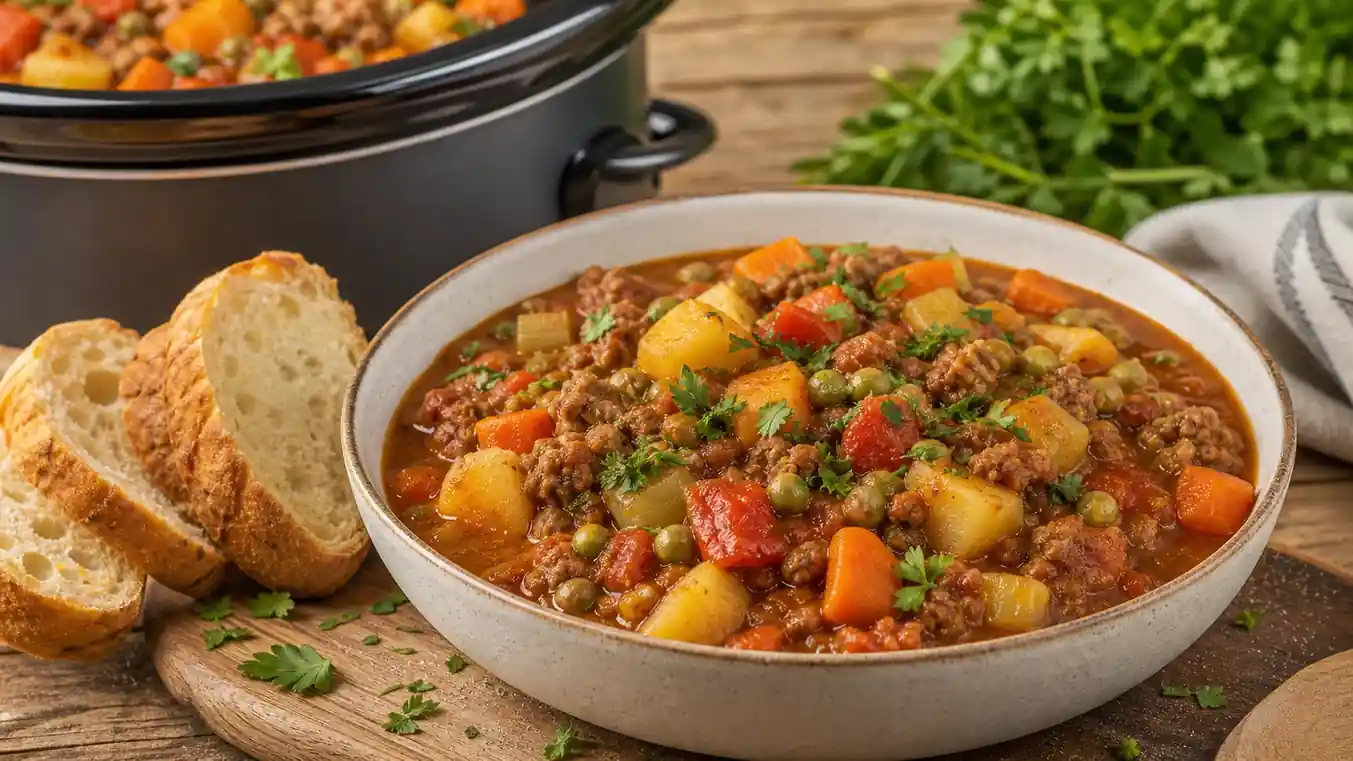
Slow Cooker Ground Beef and Potato Stew
Slow-cook browned ground beef with potatoes, carrots, celery, peas, and tomatoes for a hearty stew with a savory tomato broth.
Beef · Prep 20 minutes · Cook 4 hours 30 minutes