Beef Lomo Saltado Recipe: Easy Peruvian Beef Stir-Fry
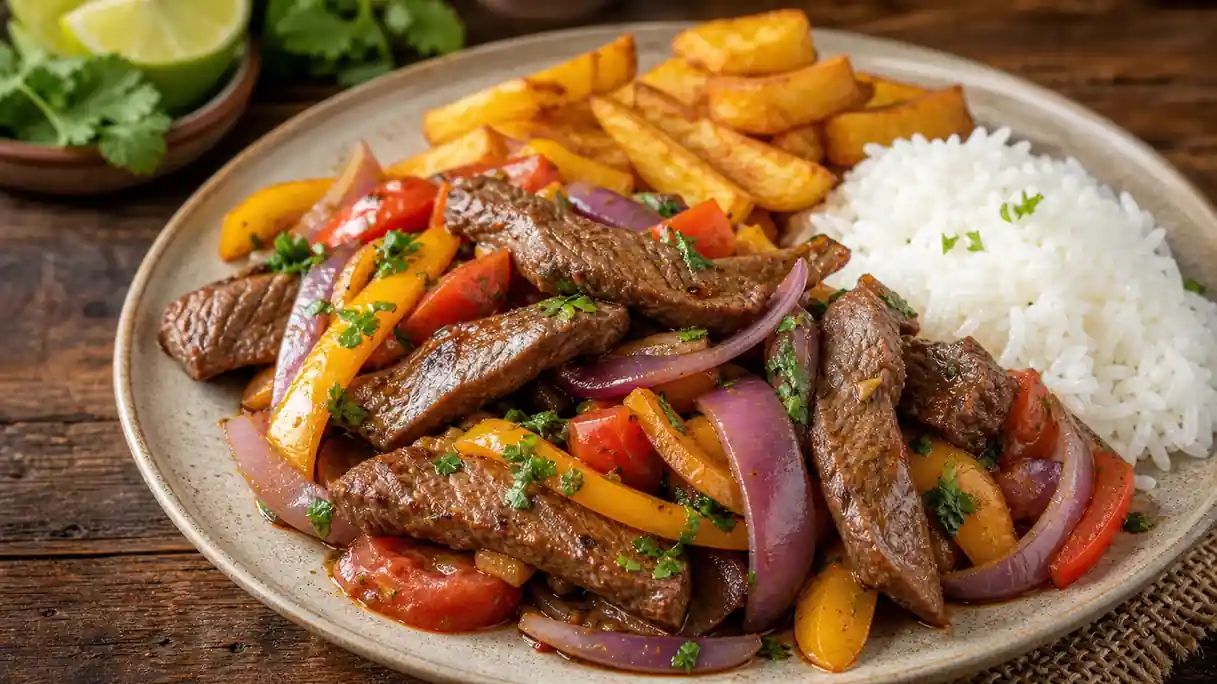
This beef lomo saltado recipe combines tender sirloin, tomatoes, onions, crisp potatoes, and rice for a fast, flavorful Peruvian-style dinner at home.
Prep
20 minutes
Cook
25 minutes
Rest
5 minutes
Total
50 minutes
Servings
4
Difficulty
Easy
Cut
Beef sirloin strips
Method
Stir-fried
Safe internal temperature
63°C / 145°F
Nutrition per serving
610 calories
- Protein
- 42g
- Fat
- 24g
- Carbs
- 55g
- Fiber
- 5g
- Sat. fat
- 7g
- Sugar
- 7g
- Sodium
- 680mg
Nutrition values are estimates based on the listed ingredients and serving size.
This beef lomo saltado recipe pairs deeply seared sirloin with tomatoes, red onion, golden potatoes, and warm rice. The Peruvian-inspired stir-fry comes together quickly once the potatoes are roasting: brown the beef first, then toss the vegetables with a savory, tangy sauce.
Use a large skillet or wok, cook the beef in batches, and measure the sauce ingredients before you start. Those few minutes of prep help the meat sear instead of steam.
Why You'll Love This Recipe
- Tender sirloin and crisp-edged potato wedges bring plenty of contrast to each plate.
- Soy sauce, vinegar, garlic, and aji amarillo paste make a bright, savory sauce without alcohol.
- The potatoes roast while you prep the stir-fry, which keeps the skillet from getting crowded.
- It is a straightforward way to turn sirloin into a colorful meal with vegetables and rice.
- Leftovers keep their texture better when you store the potatoes separately.
Beef Lomo Saltado Recipe Information
| Detail | Amount |
|---|---|
| Preparation time | 20 minutes |
| Cooking time | 25 minutes |
| Resting time | 5 minutes |
| Total time | 50 minutes |
| Servings | 4 |
| Internal temperature | 63°C / 145°F |
The timing includes roasting the potatoes and cooking the stir-fry. A five-minute rest gives the sirloin time to finish gently and helps it hold on to its juices. If you prefer well-done beef, cook it longer, keeping in mind that it will be less tender.
Ingredients
For the potatoes and rice
- 1 1/2 pounds (680 g) Yukon Gold potatoes, cut into 1/2-inch wedges
- 2 tablespoons olive oil, divided
- 3/4 teaspoon fine sea salt, divided
- 1/2 teaspoon black pepper, divided
- 1 1/2 cups cooked long-grain white rice, warm
For the beef stir-fry
- 1 1/2 pounds (680 g) halal beef sirloin, trimmed and sliced into 1/2-inch strips across the grain
- 1 tablespoon neutral high-heat oil, such as avocado or sunflower oil
- 1 large red onion, cut into thick petals
- 2 medium Roma tomatoes, cut into thick wedges
- 3 garlic cloves, finely minced
- 1 tablespoon aji amarillo paste
- 3 tablespoons low-sodium soy sauce
- 1 tablespoon red wine vinegar or apple cider vinegar
- 1 teaspoon honey
- 1/4 cup beef broth or water
- 1 tablespoon chopped fresh cilantro, plus more for serving
Aji amarillo paste gives the dish its characteristic fruity warmth. It is mild to medium in heat, but you can start with two teaspoons for a gentler result. Look for a paste with a short ingredient list and no added alcohol.
Step-by-Step Instructions
1. Roast the potatoes
Heat the oven to 220°C / 425°F. Toss the potato wedges with 1 tablespoon olive oil, 1/2 teaspoon salt, and 1/4 teaspoon pepper on a large rimmed baking sheet. Spread them in one layer, leaving space around each wedge. Roast for 22 to 25 minutes, turning once halfway through, until golden and fork-tender.
2. Season and dry the beef
While the potatoes roast, pat the sirloin very dry with paper towels. Season it with the remaining 1/4 teaspoon salt and 1/4 teaspoon pepper. Dry meat browns more efficiently. Wet strips release moisture into the skillet and can turn gray before a crust forms.
3. Mix the stir-fry sauce
In a small bowl, stir together the garlic, aji amarillo paste, soy sauce, vinegar, honey, and broth. Set it beside the stove so the sauce is ready as soon as the vegetables are cooked.
4. Sear the sirloin in batches
Set a large cast-iron skillet or wok over high heat for 2 minutes, then add the neutral oil. When it shimmers, add half the beef in a single layer. Leave it undisturbed for 60 to 90 seconds, then stir and cook for another minute, until browned on the outside. Transfer the beef to a clean plate and repeat with the remaining batch. If you crowd the pan, the temperature drops and the beef will steam instead of brown.
5. Stir-fry the vegetables and finish
Add the remaining 1 tablespoon olive oil to the empty skillet. Add the red onion and cook for 2 minutes, tossing occasionally, until it softens but still has some bite. Add the tomatoes and cook for 1 minute. Pour in the sauce and scrape up the browned bits. Return the beef and any juices to the skillet, toss for 1 to 2 minutes, and fold in the cilantro. The thickest strip should register 63°C / 145°F for medium-rare to medium doneness.
6. Rest, then serve
Take the skillet off the heat and let the beef lomo saltado rest for 5 minutes. Divide the warm rice among four plates, spoon the beef and vegetables alongside it, and add the roasted potatoes. Finish with more cilantro if you like, and serve right away while the potatoes are crisp.
Tips for Best Results
Slice the sirloin evenly across the grain so each bite is easier to chew. If the steak is thick, chill it for 10 minutes first; the firmer meat is easier to cut into clean strips.
Preheat the skillet until it is properly hot, but do not let the oil smoke heavily. A hot pan colors the beef quickly while the center stays tender. If it starts smoking aggressively, lower the heat briefly before adding the next batch.
Keep the onion petals and tomato wedges fairly large. Smaller pieces collapse too quickly and can make the sauce watery. The tomatoes should soften around the edges while still holding their shape.
For food safety, refrigerate raw beef promptly and keep it separate from ready-to-eat ingredients. Transfer the cooked beef to a clean plate, not the plate that held it raw. An instant-read thermometer is the most reliable way to check doneness.
Ingredient Substitutions
Flank steak or flat iron steak can replace sirloin. Slice either one thinly against the grain and cook it in small batches. Tenderloin also works, but it cooks even faster and needs close attention.
If you cannot find aji amarillo paste, use 1 tablespoon yellow bell pepper puree plus a pinch of cayenne for color and mild heat. The flavor will change, but the sauce will stay balanced. Tamari can replace soy sauce for a gluten-free option, and apple cider vinegar works in place of red wine vinegar.
Sweet potatoes can replace the Yukon Golds, though they brown faster and add a sweeter note. For a lighter plate, serve the stir-fry over extra rice with a crisp salad and leave out the potatoes.
What to Serve With
The rice and potatoes already make this a hearty plate, so a bright vegetable side is enough. Try a crunchy cucumber salad, simple green beans, or roasted asparagus. A squeeze of lime over the finished dish adds freshness without hiding the savory sauce.
For another fast skillet dinner, try these beef steak bites. If you are planning a cozy meal later in the week, pair the menu with slow cooker beef stew or browse more beef recipes.
Storage Instructions
Cool leftovers within 2 hours, then store the beef-and-vegetable mixture, rice, and potato wedges in separate airtight containers. Refrigerate for up to 3 days. Separate storage keeps the sauce from soaking into the potatoes and softening them.
For longer storage, freeze the cooled beef mixture without the potatoes for up to 2 months. Thaw it overnight in the refrigerator before reheating. Freshly roasted potatoes are best, but you can reheat frozen potato leftovers in the oven if needed.
Reheating Instructions
Warm the beef mixture in a skillet over medium heat with a splash of water or broth until it reaches 74°C / 165°F. Heat it only until hot, since prolonged cooking will toughen the sirloin. Reheat the rice covered in the microwave with a teaspoon of water. Re-crisp the potato wedges on a baking sheet at 220°C / 425°F for 8 to 10 minutes, or in an air fryer at 200°C / 400°F for 4 to 6 minutes.
Frequently Asked Questions
What cut of beef is best for lomo saltado?
Sirloin is a practical choice because it is tender enough for quick cooking and has a rich beef flavor. Flank steak and flat iron steak also work well when sliced thinly against the grain.
Can I make this beef lomo saltado recipe without a wok?
Yes. A large cast-iron skillet, stainless-steel skillet, or heavy sauté pan works well. Heat it thoroughly and cook the beef in batches so it sears instead of steaming.
Should the potatoes go into the stir-fry?
You can fold a few roasted wedges into the sauce just before serving, but keeping most on the side gives you the best contrast between crisp potatoes and saucy beef. Serve the rice separately, too.
How are the nutrition estimates calculated?
The estimates are per serving, based on the listed 1 1/2 pounds of sirloin, potatoes, rice, oils, vegetables, and sauce divided among four servings. Different brands and trimming can change the final numbers.
Conclusion
This beef lomo saltado recipe makes a steak dinner that is quick, colorful, and complete. Give the sirloin room to sear, keep the vegetables moving briefly over high heat, and serve everything with hot rice and crisp potatoes. Once the technique feels familiar, try another easy beef dinner with these air fryer beef patties.
Keep cooking
You might also like
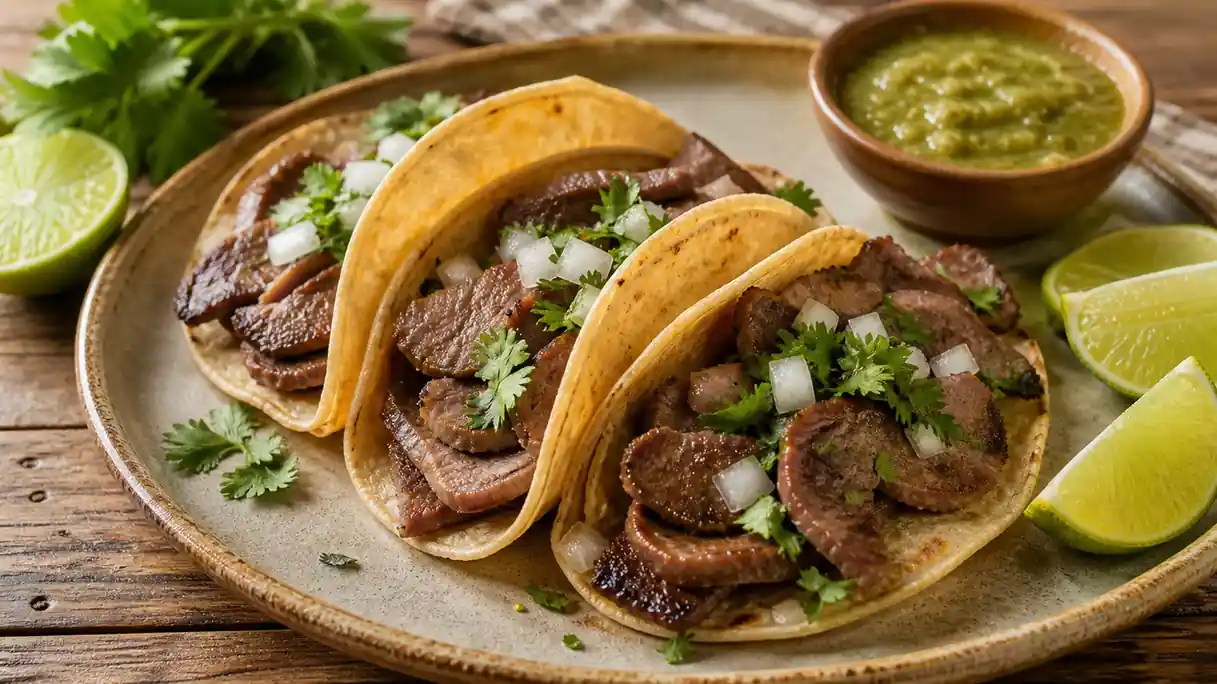
Beef Tongue Taco Recipe: Tender, Crisp Skillet Tacos
This beef tongue taco recipe turns tender braised beef tongue into crisp skillet tacos with onion, cilantro, lime, and salsa verde for an easy dinner.
Beef · Prep 25 minutes · Cook 3 hours
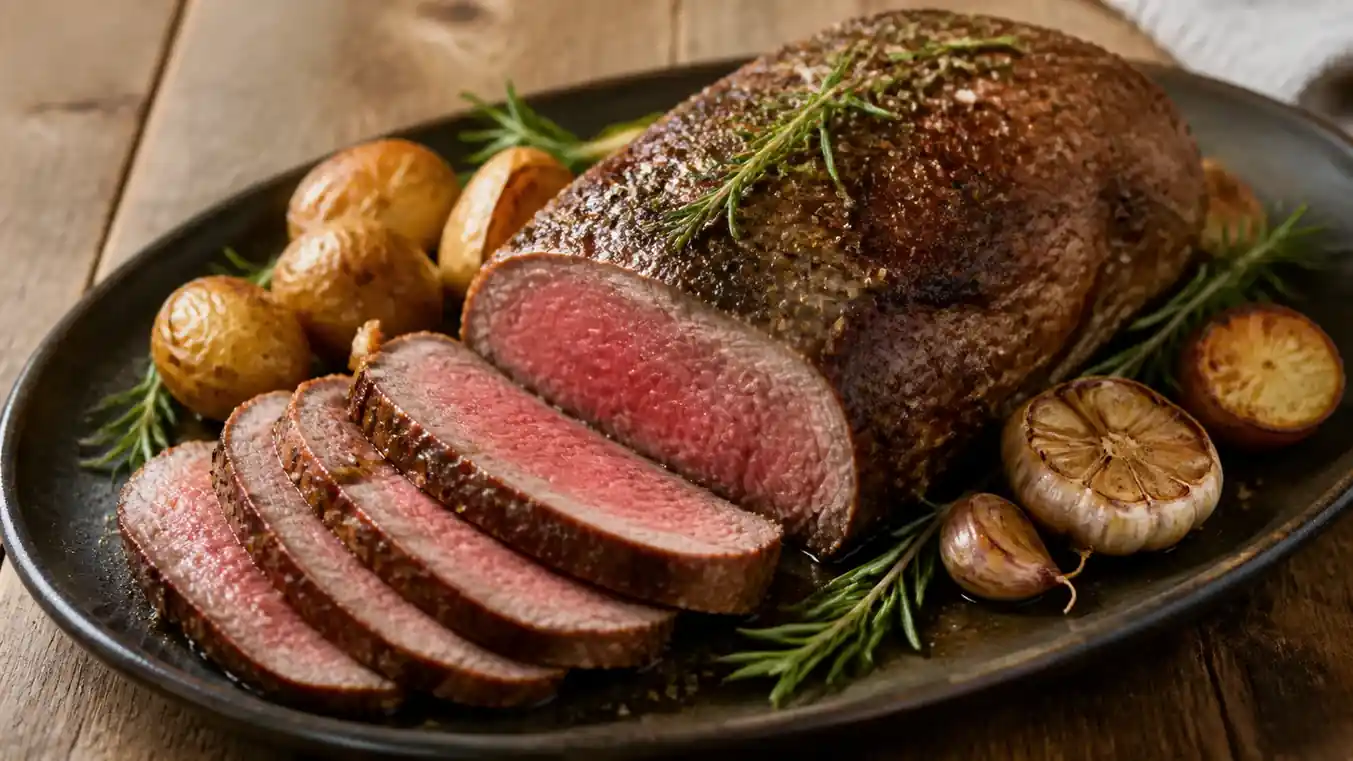
Beef Striploin Roast Recipe for a Juicy Oven Roast
This beef striploin roast recipe delivers a juicy, rosemary-crusted oven roast with a rosy center, crisp edges, and simple pan juices for dinner.
Beef · Prep 20 minutes · Cook 50 minutes
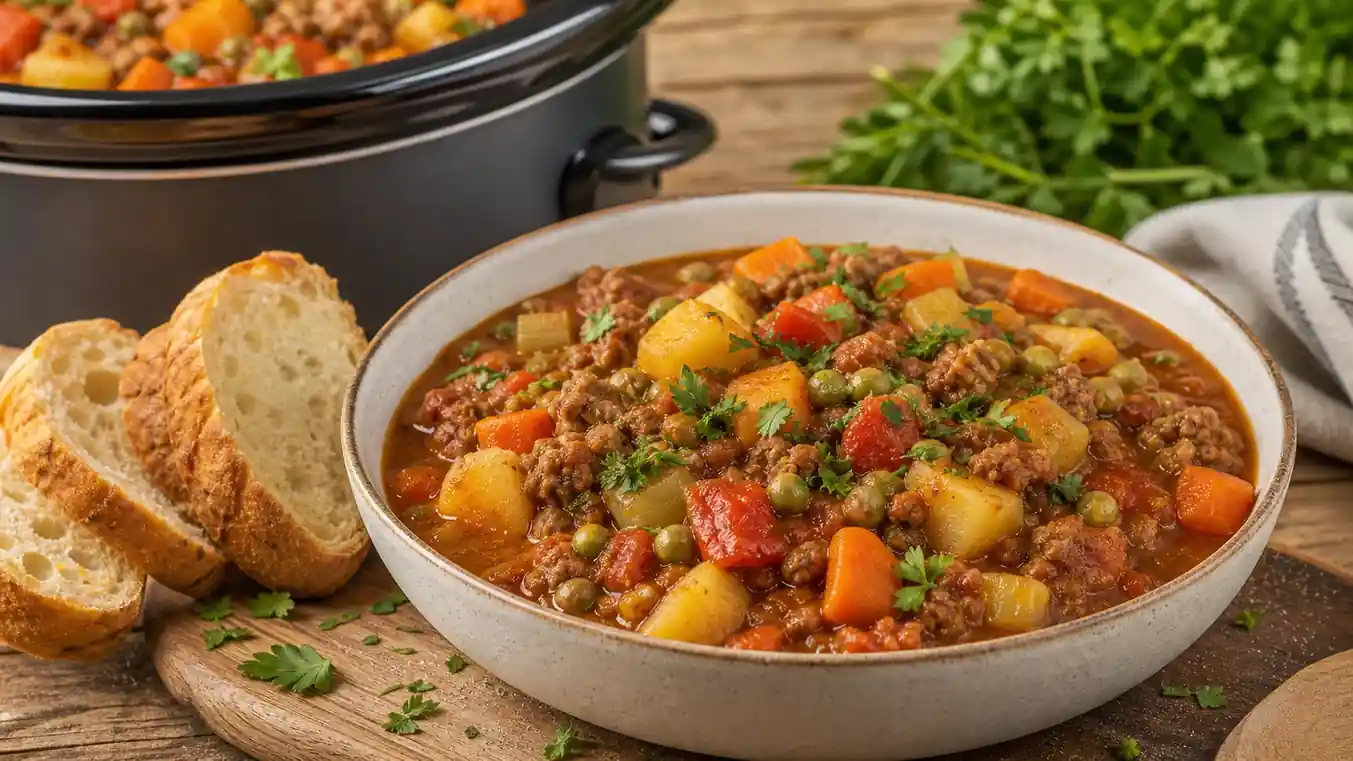
Slow Cooker Ground Beef and Potato Stew
Slow-cook browned ground beef with potatoes, carrots, celery, peas, and tomatoes for a hearty stew with a savory tomato broth.
Beef · Prep 20 minutes · Cook 4 hours 30 minutes