Easy Turkey Rub Recipe for Juicy Oven-Roasted Turkey
Make this turkey rub recipe with smoky paprika, herbs, and garlic for a fragrant, golden oven-roasted turkey with juicy slices, crisp skin, and flavor.
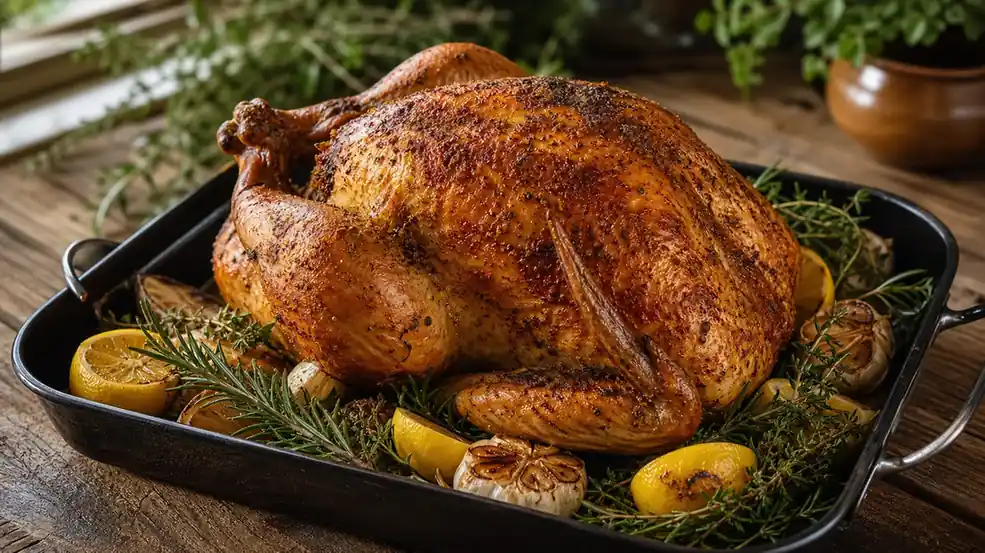
Prep
20 minutes
Cook
3 hours 25 minutes
Rest
10 minutes
Total
3 hours 55 minutes
Servings
12
Difficulty
Easy
Cut
Whole turkey
Method
Oven roasted
Safe internal temperature
74°C / 165°F
Nutrition per serving
430 calories
- Protein
- 70g
- Fat
- 18g
- Carbs
- 3g
- Fiber
- 1g
- Sat. fat
- 5g
- Sugar
- 0g
- Sodium
- 610mg
Nutrition values are estimates based on the listed ingredients and serving size.
This turkey rub recipe gives a whole bird a savory, herb-speckled crust with smoky paprika, garlic, thyme, and rosemary. A little olive oil helps the blend cling to the skin, while the seasoning brings out the turkey's flavor instead of covering it up. It is sized for a 12- to 14-pound turkey, making it a practical choice for a holiday meal or a first roast.
The technique is straightforward: dry the turkey thoroughly, season it generously, roast at 325°F / 165°C, and let an instant-read thermometer determine when it is done. You get bronzed skin, tender slices, and a well-seasoned edge in every bite.
Why You'll Love This Recipe
- Familiar spices come together in a rub that takes only a few minutes to mix.
- The salt is easy to adjust if your turkey is already brined or enhanced.
- Olive oil helps the seasoning stick and supports even browning.
- An instant-read thermometer gives you a dependable doneness target.
- Leftovers work well in sandwiches, soup, salads, and grain bowls.
Recipe Information
| Detail | Value |
|---|---|
| Preparation time | 20 minutes |
| Cooking time | 3 hours 25 minutes |
| Resting time | 10 minutes |
| Total time | 3 hours 55 minutes |
| Servings | 12 |
| Cooking method | Oven roasted |
| Internal temperature | 74°C / 165°F |
Nutrition is an estimate per serving, based on 6 ounces of cooked turkey with some skin, the olive oil, and the complete spice rub. The sodium estimate will vary with the size of the bird and whether it was sold brined or enhanced.
Ingredients
For the turkey
- 1 whole turkey, 12 to 14 pounds, fully thawed
- 3 tablespoons olive oil
- 1 lemon, quartered
- 1 small onion, quartered
- 4 garlic cloves, lightly crushed
- 4 fresh rosemary sprigs and 6 fresh thyme sprigs, optional for the cavity
For the turkey rub
- 2 tablespoons sweet or smoked paprika
- 1 tablespoon kosher salt, plus more only if needed after checking the package
- 2 teaspoons garlic powder
- 2 teaspoons onion powder
- 2 teaspoons dried thyme
- 1 1/2 teaspoons dried rosemary, crushed
- 1 teaspoon freshly ground black pepper
- 1 teaspoon ground cumin
- 1/2 teaspoon cayenne pepper, optional
Read the turkey label before seasoning. If it says pre-brined, self-basting, enhanced, or injected, use 2 teaspoons of kosher salt in the rub instead of a full tablespoon. Keep the turkey refrigerated until you are ready to season it, and set it on a tray to catch drips as you work.
Step-by-Step Instructions
1. Prepare the oven and turkey
Set an oven rack in the lower third of the oven and heat it to 325°F / 165°C. Remove the neck and giblets from the cavities, saving them for stock or gravy if you wish. Pat the turkey very dry inside and out with paper towels. A dry surface helps the rub stick and the skin brown.
Place the turkey breast-side up on a rack in a sturdy roasting pan. Tuck the wing tips behind the shoulders so they do not darken too quickly. If the legs are loose, tie them gently with kitchen twine. Do not cinch them tightly; some air circulation helps the thighs cook evenly.
2. Mix the rub
In a small bowl, stir together the paprika, salt, garlic powder, onion powder, thyme, rosemary, black pepper, cumin, and cayenne, if using. Crush the dried rosemary between your fingers first so it disperses through the blend instead of leaving large, woody pieces on the skin.
The finished mixture should be evenly colored and fragrant, without clumps of paprika or salt.
3. Oil and season the bird
Rub the olive oil over the breast, legs, thighs, wings, and sides of the turkey. Sprinkle the turkey rub recipe evenly over the oiled surface, then press it on gently with clean hands. For more flavor in the meat itself, carefully loosen the breast skin with your fingers and place about one-quarter of the rub directly on the breast. Spread the rest over the outside.
Put the lemon, onion, garlic, and optional fresh herbs loosely in the cavity. Do not pack it tightly, since a crowded cavity slows cooking. Wash anything that touched the raw turkey before handling other ingredients or equipment.
4. Roast until the turkey is safely cooked
Roast uncovered for about 3 hours 25 minutes, rotating the pan once after 2 hours if your oven browns unevenly. Start checking the temperature about 30 minutes before the expected finish. Insert an instant-read thermometer into the thickest part of the breast and the innermost thigh, making sure the probe does not touch bone.
The turkey is ready when both areas register at least 74°C / 165°F. If the breast skin reaches your preferred color before the meat is finished, lay a loose piece of foil over the breast only. Avoid repeated basting; opening the oven often lowers the temperature and can soften the skin.
5. Rest, carve, and serve
Transfer the turkey to a carving board and tent it loosely with foil for 10 minutes. The short rest lets the hottest juices settle while keeping the skin pleasantly crisp. Carve the breast across the grain, then separate the legs and thighs at the joints. Serve promptly and refrigerate leftovers within 2 hours.
Tips for Best Results
An accurate thermometer is more useful than an exact roasting time. The turkey's shape, starting temperature, pan material, and oven calibration all affect the finish time. Check more than one spot, and give the bird a few additional minutes if either the breast or thigh is below 74°C / 165°F.
For the crispiest exterior, season the turkey a day ahead, leave it uncovered on a tray in the refrigerator, and roast it the next day. This optional dry-brining step dries the surface and seasons the meat more deeply. If you do it, reduce the salt in the rub by one-third for a turkey that was not pre-brined.
Thaw the turkey safely in the refrigerator, allowing roughly 24 hours for every 4 to 5 pounds. Never thaw it on the counter. For a smaller roast, use the same spice profile on this turkey tenderloin recipe, but begin checking the temperature much earlier.
Ingredient Substitutions
Regular paprika is a fine substitute for smoked paprika and gives a milder, sweeter finish. Italian seasoning can replace the dried thyme and rosemary; use 2 1/2 teaspoons total. Leave out the cayenne if you prefer no heat. Ground coriander adds a light citrus note if you want to replace the cumin.
Avocado oil or another neutral high-heat oil works in place of olive oil. For a stronger citrus aroma, add the finely grated lemon zest to the rub and keep the lemon quarters in the cavity. Do not use a sugary barbecue blend for this method, as it may scorch during the long roast.
What to Serve With
Serve this herb-forward turkey with roasted carrots, green beans, a crisp salad, or mashed potatoes. Simple pan gravy and a bright cranberry-style relish balance the smoky paprika rub. For another poultry centerpiece, browse these turkey recipes.
Put leftovers to work in this cozy turkey rice soup, or make a quick lunch with this turkey sandwich recipe. If you want another easy dinner alongside the same warm spice profile, try oven-baked chicken thighs.
Storage Instructions
Cool carved turkey promptly and transfer it to shallow, airtight containers within 2 hours. Refrigerate for up to 4 days. Store a little pan juice or broth with sliced breast meat to help it stay moist. Keep gravy in a separate container so the skin does not become soggy.
For longer storage, divide cooled turkey into meal-size portions, wrap them tightly, and freeze for up to 3 months. Label the containers with the date. Thaw frozen cooked turkey overnight in the refrigerator, never at room temperature.
Reheating Instructions
Warm sliced turkey in a covered skillet over low heat with a splash of broth or water until steaming hot. You can also arrange the slices in a covered baking dish and heat at 300°F / 150°C. Reheat leftovers to 74°C / 165°F before serving.
For a microwave, cover the turkey, add a spoonful of liquid, and use medium power in short intervals. High heat can make the lean breast meat tough. Reheat only the portion you plan to eat so the rest stays fresher in the refrigerator.
Frequently Asked Questions
Can I make this turkey rub recipe ahead of time?
Yes. Mix the dry ingredients up to 3 months ahead and store them in a sealed jar in a cool, dark cupboard. Stir or shake the blend before using because the herbs can settle. If you are using the rub as an overnight dry brine, apply it to the turkey and refrigerate it uncovered on a tray.
Should I put the rub under the turkey skin?
You can. Gently loosen the breast skin and place a small portion of the rub directly on the meat to add flavor to the slices. Keep most of the rub on the outside so the skin develops the seasoned crust shown in this recipe.
How do I keep the turkey from drying out?
Avoid overcooking it. Start checking the temperature early, remove the bird as soon as the breast and thigh reach 74°C / 165°F, and let it rest before carving. The olive oil and dry skin help browning, while the thermometer protects the lean breast from an unnecessarily long stay in the oven.
Can I use this rub on turkey breast instead?
Absolutely. The rub works well on a bone-in or boneless turkey breast. Use enough to coat the surface evenly, roast at the same oven temperature, and check it early because a breast cooks much faster than a whole bird. Pair it with smothered turkey wings for another turkey meal later in the week.
Conclusion
This turkey rub recipe makes a classic roasted turkey feel special with familiar ingredients and a dependable method. Mix the spices, coat the bird thoroughly, and let the thermometer guide you to a safe, juicy finish. The warm color, herbaceous crust, and useful leftovers make it a recipe worth keeping for any turkey dinner.
This rub accompanies a whole-turkey method
The ingredient list and cooking time include a whole bird; they are not the yield or preparation time for a jar of seasoning alone. Check for salt already added to an enhanced or pre-brined turkey before mixing the rub. Check 165°F in the thickest breast, innermost thigh, and innermost wing, without touching bone.
For a wet-brine method instead, see citrus-herb smoked turkey brine.
Food Safety
Cook poultry, including ground chicken and turkey, to 165°F. Check with a food thermometer rather than color alone. See the USDA minimum temperature chart. Refrigerate perishables within 2 hours, or within 1 hour above 90°F; see USDA leftover handling guidance.
Keep cooking
You might also like
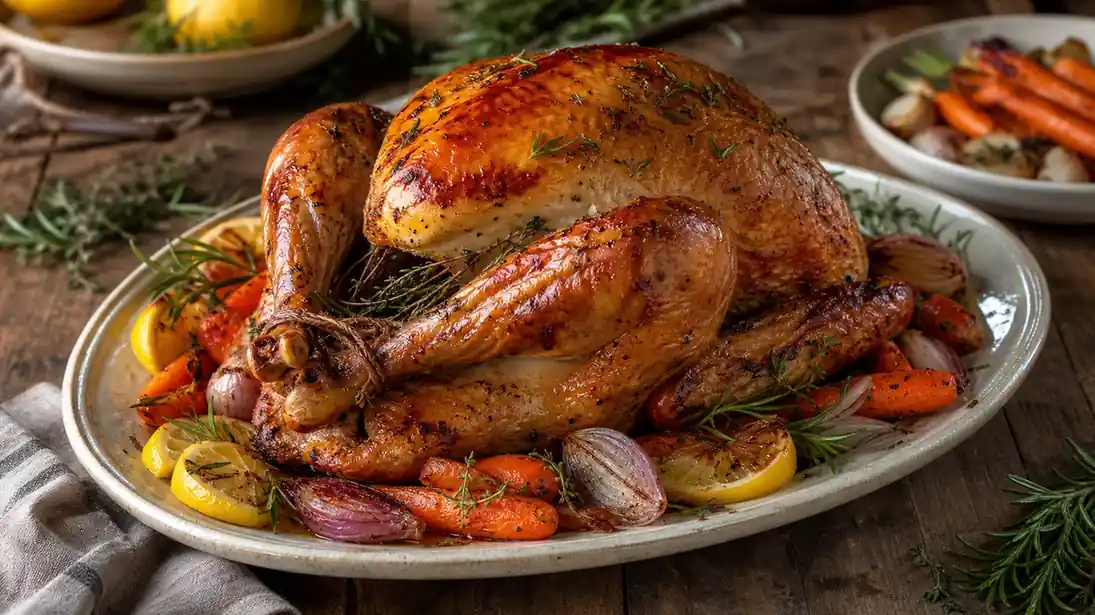
Easy Turkey in a Bag Recipe for a Golden Holiday Roast
Make a juicy turkey in a bag recipe with rosemary, lemon, and vegetables; the roasting bag locks in moisture for an easy, golden holiday table centerpiece.
Turkey · Prep 20 minutes · Cook 3 hours
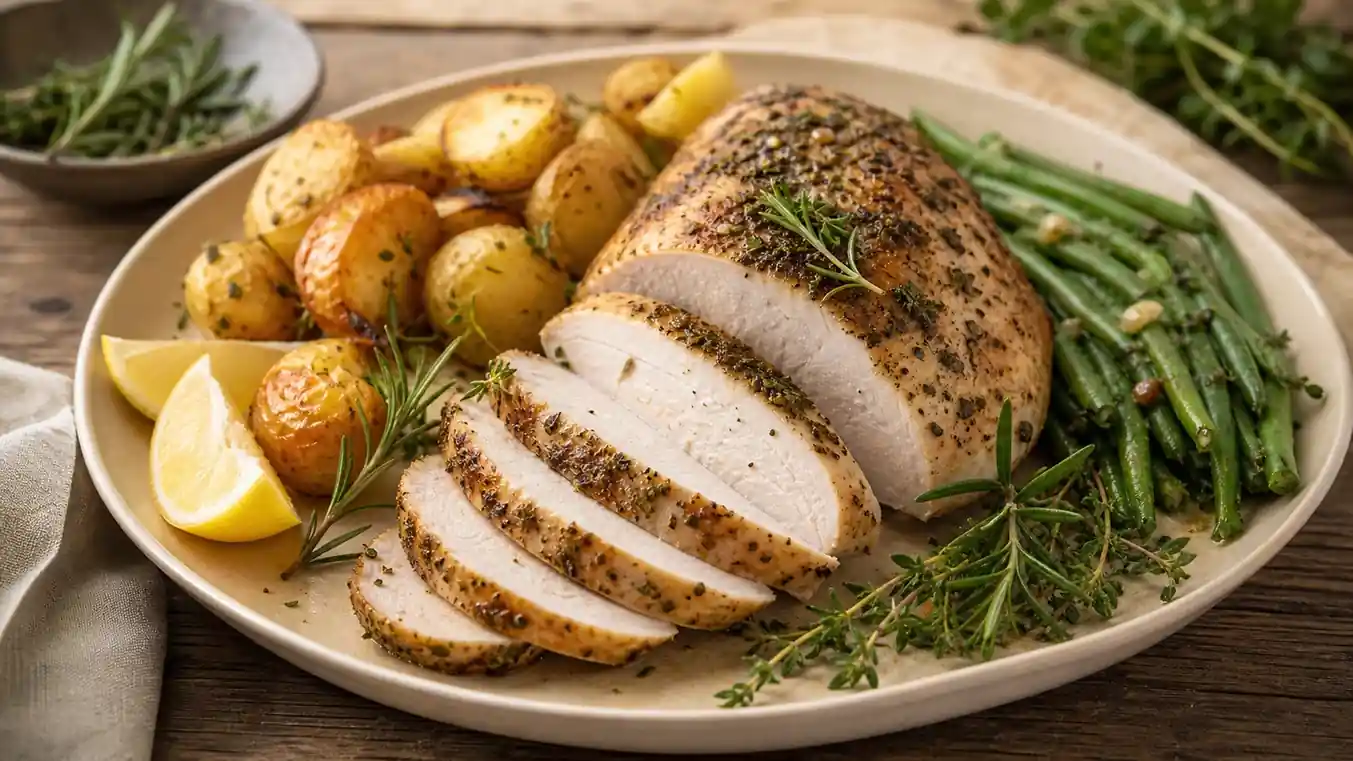
Easy Turkey Breast Tenderloin Recipes for a Juicy Dinner
These turkey breast tenderloin recipes make a juicy garlic-herb roast with simple ingredients, clear temperature guidance, and easy dinner sides.
Turkey · Prep 15 minutes · Cook 30 minutes
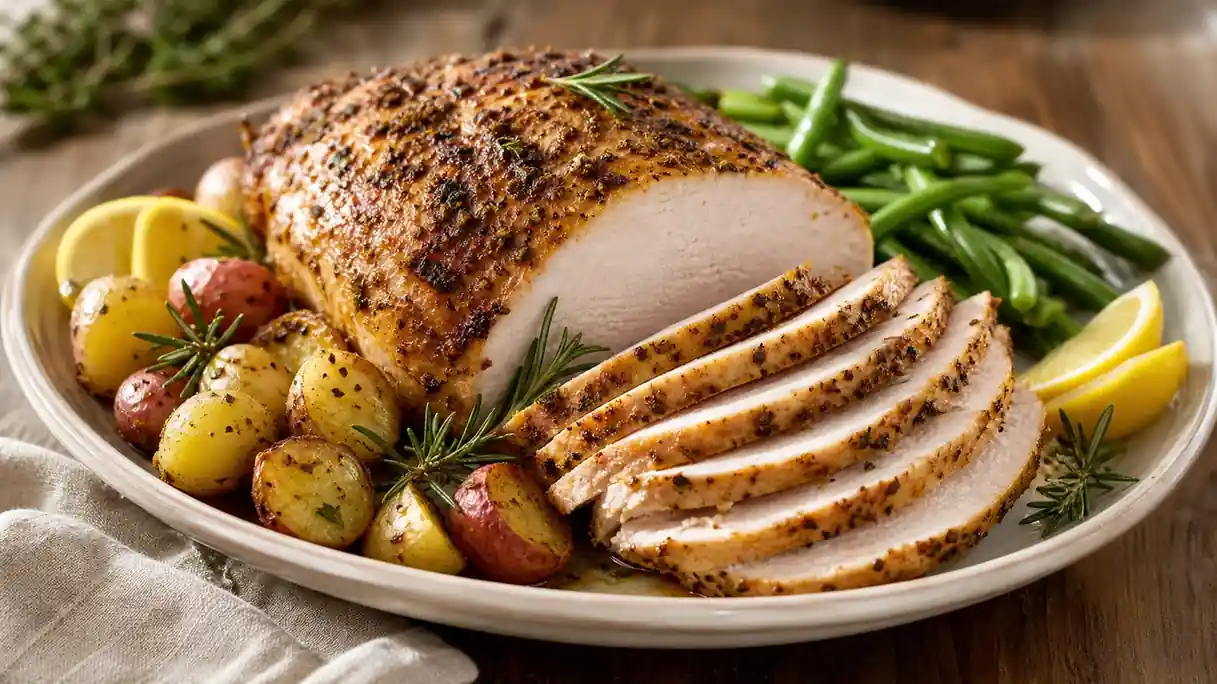
Garlic-Herb Boneless Turkey Breast Roast
Roast a boneless turkey breast over carrots and onions with garlic, mustard, and herbs. Check the center for 165°F and rest before slicing.
Turkey · Prep 20 minutes · Cook 50 minutes