Lamb Breast Plate Recipe: Tender Oven-Roasted Lamb
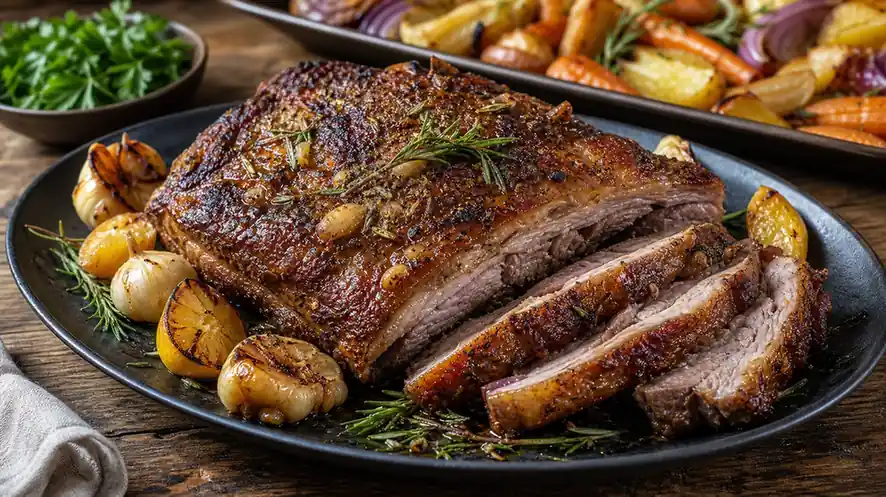
Make this lamb breast plate recipe with a crisp spice crust, tender oven-roasted lamb, garlic, and rosemary for a comforting family dinner at home tonight.
Prep
20 minutes
Cook
2 hours 30 minutes
Rest
15 minutes
Total
3 hours 5 minutes
Servings
4
Difficulty
Easy
Cut
Lamb breast plate
Method
Oven roasted
Safe internal temperature
71°C / 160°F
Nutrition per serving
720 calories
- Protein
- 45g
- Fat
- 58g
- Carbs
- 11g
- Fiber
- 3g
- Sat. fat
- 24g
- Sugar
- 4g
- Sodium
- 680mg
Nutrition values are estimates based on the listed ingredients and serving size.
This lamb breast plate recipe turns an affordable, richly marbled cut into a tender roast with crisp edges. Garlic, rosemary, cumin, and lemon make a simple rub, while a covered low roast gives the connective tissue time to soften. A short uncovered finish adds color without drying the meat.
Lamb breast plate is naturally fatty, so this is a cut for patient cooking. Trim only loose excess fat, keep the roast covered for most of the cooking time, and check the thickest part with an instant-read thermometer. The finished lamb makes an easy centerpiece with vegetables, grains, or flatbread.
Why You'll Love This Recipe
- The oven does most of the work after a short seasoning step.
- Garlic, rosemary, cumin, and lemon complement the lamb without masking it.
- Covered roasting keeps the breast plate moist and fork-tender.
- The final high-heat roast gives the exterior a deep brown finish.
- Leftovers reheat well for sandwiches, grain bowls, and wraps.
Lamb Breast Plate Recipe Information
| Detail | Amount |
|---|---|
| Preparation time | 20 minutes |
| Cooking time | 2 hours 30 minutes |
| Resting time | 15 minutes |
| Total time | 3 hours 5 minutes |
| Servings | 4 |
| Internal temperature | 71°C / 160°F |
These timings are based on a 3-pound lamb breast plate. Thickness, bone content, and individual ovens vary, so use the thermometer and tenderness test as your final guides. The lamb should reach 71°C / 160°F and feel tender when pierced near the thicker end.
Ingredients
For the lamb
- 3 pounds (1.35 kg) lamb breast plate, bone-in or boneless
- 1 1/2 teaspoons fine sea salt
- 1 teaspoon freshly ground black pepper
- 2 teaspoons ground cumin
- 1 teaspoon sweet paprika
- 1 teaspoon garlic powder
- 4 garlic cloves, finely grated or minced
- 2 tablespoons olive oil
- 1 tablespoon lemon juice
- 2 teaspoons finely chopped fresh rosemary
For the roasting pan
- 1 medium yellow onion, cut into thick wedges
- 1 cup (240 ml) low-sodium chicken or lamb stock
- 1 lemon, cut into wedges
- 4 rosemary sprigs
Choose lamb with a visible fat cap and even thickness. The surface fat helps baste the meat as it roasts, so leave most of it in place. If there is a very thick, hard outer layer, ask the butcher to trim some of it rather than removing all the fat yourself.
Step-by-Step Instructions
1. Heat the oven and season the lamb
Heat the oven to 160°C / 325°F. Pat the lamb breast plate dry with paper towels. Stir the salt, pepper, cumin, paprika, garlic powder, fresh garlic, olive oil, lemon juice, and chopped rosemary together in a small bowl. Rub the mixture over all sides of the lamb, working it into the folds and edges.
Let the lamb stand at room temperature for 20 minutes while you prepare the pan. This takes the chill off the surface and gives the seasoning time to adhere. Do not leave raw lamb out longer than two hours.
2. Build the roasting pan
Scatter the onion wedges, lemon wedges, and rosemary sprigs in a roasting pan or Dutch oven. Pour in the stock, then set the seasoned lamb on top, fat side up if it has a clear fat cap. The lamb should sit above the liquid rather than in it; the stock can provide gentle steam without submerging the roast or allowing the drippings to burn.
Cover the pan tightly with a lid or two layers of foil. A snug seal matters here because the trapped moisture helps the breast plate become tender.
3. Roast low and slow
Roast the lamb, covered, for 2 hours. Carefully remove the cover, spoon a little pan juice over the surface, and check the thickest portion with an instant-read thermometer. If the lamb has not reached 71°C / 160°F or still feels firm when pierced with a skewer, cover it again and continue roasting for up to 15 more minutes.
Keep the pan level when moving it; the hot stock and rendered lamb fat can splash. If the pan looks dry before the lamb is tender, add a splash of hot stock or water, then reseal it.
4. Brown the exterior
Raise the oven temperature to 220°C / 425°F. Roast the lamb uncovered for 15 to 20 minutes, basting once halfway through, until the fat is browned and the edges look crisp. Keep an eye on it near the end because the garlic and rendered fat can darken quickly at the higher temperature.
The lamb breast plate recipe is ready when the thickest edible portion registers at least 71°C / 160°F and the meat yields easily to a knife. If your lamb is especially thick, give it another 10 minutes at 160°C / 325°F before browning it.
5. Rest, slice, and serve
Transfer the lamb to a board and rest it, loosely tented with foil, for 15 minutes. The rest gives the juices time to settle and makes the roast easier to slice. Skim excess fat from the pan juices, then spoon some of the onion-and-rosemary jus over the lamb.
Slice boneless lamb across the grain into thick pieces. For bone-in breast plate, separate the meat along the bones or cut between them with a sturdy knife. Serve warm with the roasted onion and lemon wedges.
Tips for Best Results
Use a pan with sides high enough to hold the rendered fat and stock securely. A shallow baking sheet can evaporate too quickly; a roasting pan or Dutch oven keeps the braising environment steadier.
Avoid raising the oven temperature early. Lamb breast contains collagen that needs time at a moderate heat, and a hot oven from the start can brown the outside before the interior is tender. The two-stage method gives you tender meat and a crisp exterior.
Resting matters. If you cut into the roast immediately, more of the flavorful juice ends up on the board instead of in the meat. Fifteen minutes is enough for this size roast and still leaves it hot for serving.
Ingredient Substitutions
Dried rosemary works in place of fresh rosemary; use 3/4 teaspoon in the rub and skip the sprigs if you do not have them. Dried oregano or thyme are also good herb alternatives. For a lighter, citrusy flavor, swap the cumin for ground coriander.
Replace the chicken stock with vegetable stock or water. If you use water, add a small extra pinch of salt to the pan. Boneless lamb breast rolls can use the same method, though they may cook a little faster, so start checking their temperature at 1 hour 45 minutes.
What to Serve With
The lamb's rich texture pairs well with fresh or earthy sides. Serve it with roasted carrots, herbed couscous, lemony green beans, or a crisp cucumber-and-tomato salad. For more ways to build a lamb dinner, try lamb chop recipes in the oven or this aromatic lamb tagine recipe.
Warm flatbread is excellent for catching the pan juices, while plain rice or bulgur makes the meal more substantial. If you want another slow-cooked option for your menu, browse slow cooked lamb recipes.
Storage Instructions
Refrigerate leftovers in a shallow airtight container within two hours of cooking. Store them for up to three days. Keep the lamb with a spoonful of its juices so it stays moist, and store any crisp vegetables separately.
For longer storage, portion cooled lamb into freezer-safe containers with a little defatted pan juice. Freeze for up to two months. Thaw overnight in the refrigerator before reheating; do not thaw cooked lamb on the counter.
Reheating Instructions
For the best texture, place sliced lamb in a covered baking dish with a few tablespoons of pan juice or stock. Reheat at 160°C / 325°F for 12 to 18 minutes, until hot throughout. Reheat leftovers to 74°C / 165°F before serving.
A microwave works for a small portion: cover it loosely and heat at medium power in short intervals, adding a spoonful of juice to prevent drying. Finish under a hot broiler for a minute if you want to refresh the browned edges.
Frequently Asked Questions
Is lamb breast plate the same as lamb ribs?
They are closely related cuts from the lower chest area. A breast plate can include rib bones and a larger flap of fatty, flavorful meat. Ask the butcher how the cut has been trimmed, then use the weight and temperature guidance in this recipe rather than relying only on its name.
Can I make this lamb breast plate recipe ahead?
Yes. Roast it through the tender covered stage up to one day ahead, cool it promptly, and refrigerate it with the pan juices. Before serving, reheat it covered at 160°C / 325°F until hot, then uncover and brown it at 220°C / 425°F. This is useful when you are serving guests.
Why is my lamb breast still tough?
It likely needs more time in the covered roasting stage. Tough breast meat is usually under-tenderized, not overcooked. Add a splash of stock if necessary, cover the pan tightly, and continue at 160°C / 325°F until a skewer enters with little resistance.
Can I use the rendered lamb fat?
Yes. Strain it after cooking and refrigerate it in a sealed container. Use it within a few days to roast potatoes or vegetables. Keep it chilled and discard it if it develops an off smell.
Conclusion
This lamb breast plate recipe makes a flavorful, affordable cut feel special with patient oven roasting and a bright garlic-rosemary rub. Keep the pan covered until the lamb is tender, finish it at high heat for color, and let it rest before slicing. The result is juicy lamb with crisp edges and a simple pan jus for a comforting dinner you can make again.
Keep cooking
You might also like
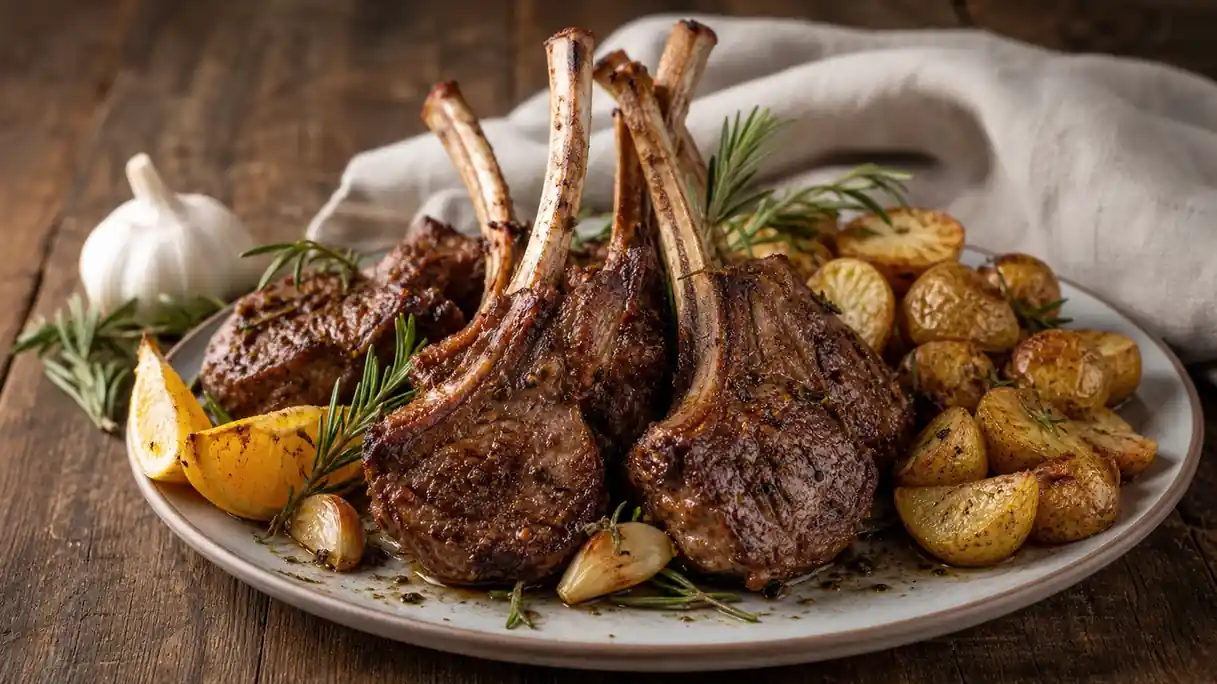
Easy Lamb Lollipops Recipe with Garlic and Rosemary
Make this lamb lollipops recipe with garlic, rosemary, and lemon for tender oven-roasted rib chops, plus crisp potatoes for an easy dinner at home tonight.
Lamb · Prep 15 minutes · Cook 18 minutes
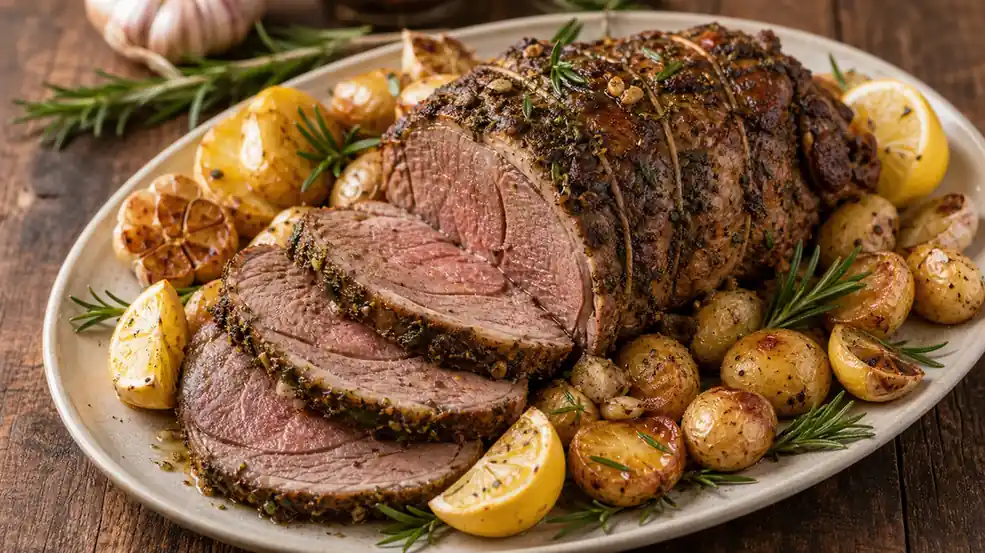
Deboned Leg of Lamb Recipe with Garlic and Rosemary
Make this deboned leg of lamb recipe with garlic, rosemary, roasted potatoes, and thermometer tips for a juicy oven roast that is easy to carve.
Lamb · Prep 25 minutes · Cook 1 hour 5 minutes
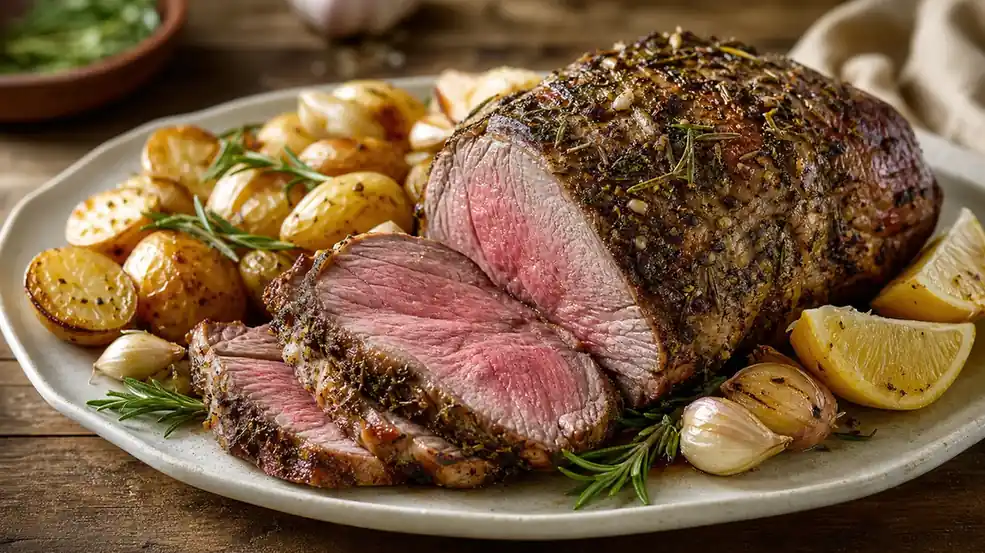
Boneless Leg of Lamb Recipe (Garlic Herb Roast)
Make this boneless leg of lamb recipe with a garlic-herb crust, juicy slices, and crisp potatoes for an easy, impressive roast dinner at home.
Lamb · Prep 20 minutes · Cook 1 hour 10 minutes