Traeger-Smoked Whole Turkey with Herb Rub
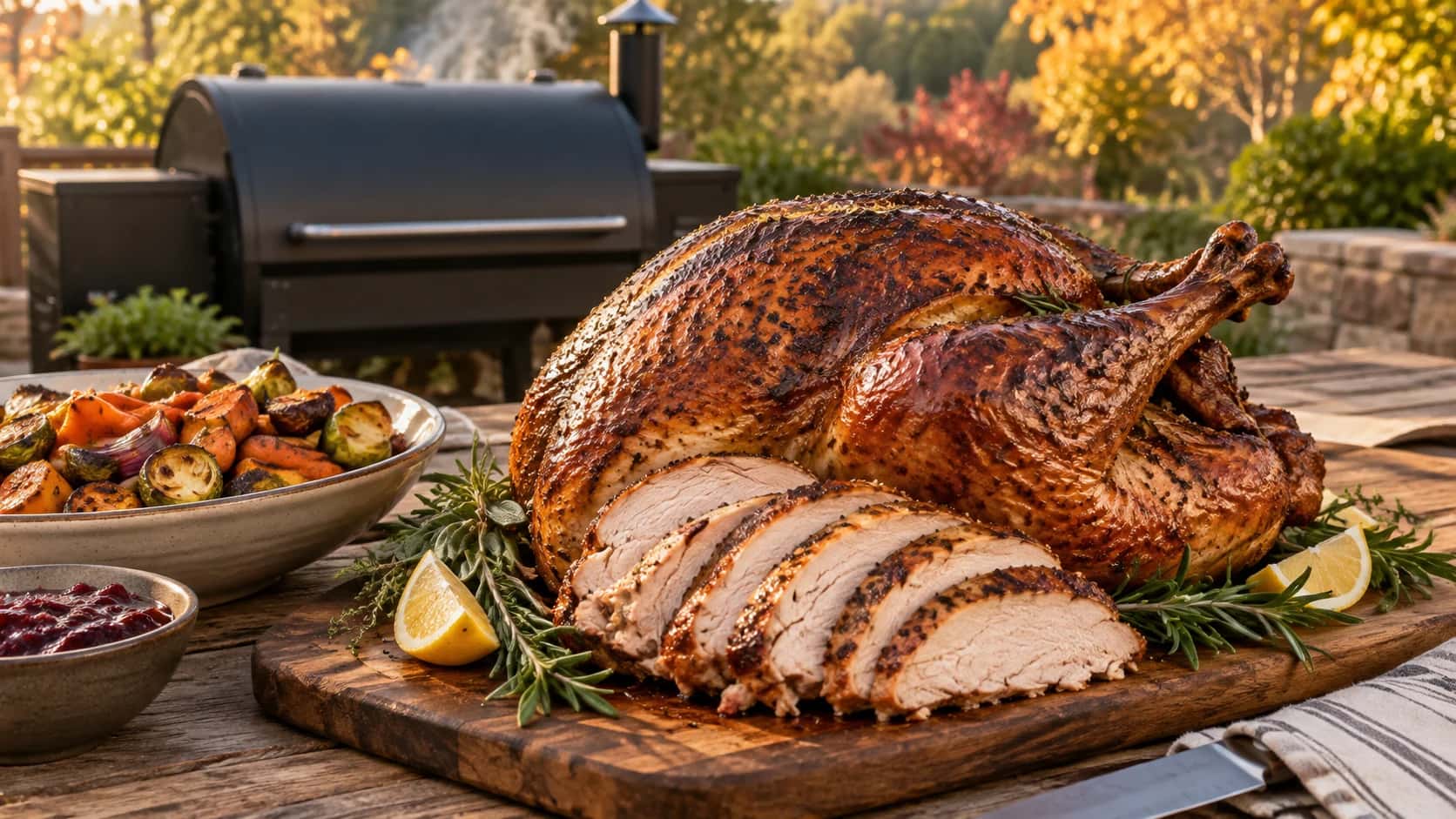
Make this Traeger-smoked turkey recipe for juicy, herb-rubbed meat, crisp bronzed skin, and reliable pellet-grill timing for a festive family meal.
Prep
25 minutes
Cook
3 hours 30 minutes
Rest
20 minutes
Total
4 hours 15 minutes
Servings
10
Difficulty
Easy
Cut
Whole turkey
Method
Pellet smoked
Safe internal temperature
74°C / 165°F
Nutrition per serving
429 calories
- Protein
- 56g
- Fat
- 21g
- Carbs
- 3g
- Fiber
- 1g
- Sat. fat
- 6g
- Sugar
- 1g
- Sodium
- 620mg
Nutrition values are estimates based on the listed ingredients and serving size.
This Traeger-smoked turkey recipe makes a beautifully bronzed, juicy whole bird with gentle wood smoke and a savory herb crust. A pellet grill holds a steady low temperature, so the work is mostly in seasoning the turkey well and checking it with a thermometer. The result is special enough for a holiday table but straightforward enough for a relaxed weekend cook.
This recipe is written for a 5.4 to 6.4 kg (12 to 14 pound) thawed turkey. Apple, cherry, or pecan pellets give the meat a mellow smoke flavor without hiding the turkey. The most important rule is simple: cook the breast and the thickest part of the thigh to 74°C / 165°F, then rest the bird before carving.
Why You'll Love This Recipe
- The pellet grill provides even indirect heat and a clean, gentle smoke flavor.
- A simple oil-and-herb rub seasons the meat and helps the skin brown.
- The method uses temperature, not a rigid clock, to guide doneness.
- One whole bird feeds a gathering and leaves useful leftovers.
- The ingredients are familiar and easy to adjust to your preferred herbs.
Recipe Information
| Detail | Amount |
|---|---|
| Preparation time | 25 minutes |
| Cooking time | About 3 hours 30 minutes |
| Resting time | 20 minutes |
| Total time | About 4 hours 15 minutes |
| Servings | 10 |
| Safe internal temperature | 74°C / 165°F |
Pellet grills vary with weather, turkey shape, and how often the lid is opened. Start checking at the three-hour mark, but allow extra time if the bird is cold, large, or the day is windy. A leave-in probe is helpful; an instant-read thermometer is the final authority.
Ingredients
- 1 whole turkey, 5.4 to 6.4 kg (12 to 14 pounds), fully thawed
- 3 tablespoons olive oil
- 1 tablespoon kosher salt
- 2 teaspoons sweet paprika
- 2 teaspoons garlic powder
- 1 teaspoon onion powder
- 1 teaspoon dried rosemary, crushed
- 1 teaspoon dried thyme
- 1 teaspoon black pepper
- 1 lemon, quartered
- 1 small onion, quartered
- 4 garlic cloves, lightly crushed
- 3 rosemary sprigs
Choose an unseasoned turkey or check the package for added salt solution. If it is enhanced or pre-brined, use half the listed salt. Remove the neck and giblets from both cavities; reserve them for stock if you like. Keep the raw turkey refrigerated until it is time to season it, and use a separate board and utensils for raw poultry.
Step-by-Step Instructions
1. Dry and prepare the turkey
Set the turkey on a rimmed tray and pat it very dry inside and out with paper towels. Tuck the wing tips behind the shoulders so they do not scorch. Rub the cavity with a little oil, then add the lemon, onion, garlic, and rosemary. These aromatics perfume the bird; do not pack the cavity tightly, because air needs room to circulate.
2. Mix and apply the rub
In a small bowl, stir together the salt, paprika, garlic powder, onion powder, rosemary, thyme, and black pepper. Rub the remaining olive oil over the turkey, including the legs and breast. Sprinkle the rub evenly over every surface. Gently loosen the breast skin with your fingers and work a small amount of the rub beneath it if you can do so without tearing the skin.
3. Preheat the pellet grill
Fill the hopper with apple, cherry, or pecan pellets and preheat to 121°C / 250°F with the lid closed. Clean the grates and lightly oil them. Place a disposable drip pan below the cooking area if your grill design allows it; this makes cleanup easier and helps keep grease away from hot surfaces.
4. Smoke the turkey
Put the turkey breast-side up on the grate, centered over indirect heat. Insert a leave-in probe into the deepest part of the breast without touching bone. Close the lid and cook without basting for about 3 hours. Frequent opening drops the grill temperature, so check only when needed. The skin should gradually become deep golden brown and the turkey should smell lightly smoky and herbaceous.
5. Check both breast and thigh
At about 3 hours, begin checking with an instant-read thermometer. Probe the thickest breast area and the inner thigh, avoiding bone. Continue cooking until both areas reach 74°C / 165°F. If the skin needs more color after the meat is nearly done, raise the grill to 149°C / 300°F for 10 to 15 minutes, watching closely so the paprika does not burn.
6. Rest and carve
Move the turkey to a clean carving board and loosely tent it with foil. Rest for 20 minutes. This pause gives the juices time to settle, making the breast easier to slice. Remove the legs and thighs first, then carve the breast meat across the grain. Serve promptly while the skin is at its crispest.
Tips for Best Results
Thaw safely and completely
A turkey this size needs several days to thaw in the refrigerator. Plan roughly 24 hours for every 1.8 to 2.3 kg (4 to 5 pounds). A partially frozen bird cooks unevenly, especially around the cavity. Never thaw poultry on the counter.
Keep the exterior dry
Dry skin is the starting point for better color. Patting the turkey dry and skipping wet basting lets the oil and rub do their job. If you have extra time, season the turkey and leave it uncovered in the refrigerator for 4 to 12 hours; this optional air-drying step is not included in the prep time.
Trust temperature over timing
The stated cook time is an estimate, not a guarantee. Probe placement, outdoor weather, and actual grill temperature all matter. Check the breast and thigh separately and cook each thickest area to 74°C / 165°F. Resting improves texture but does not replace reaching a safe final temperature.
Ingredient Substitutions
Use avocado oil or another neutral oil in place of olive oil. Fresh herbs work well: replace each teaspoon of dried rosemary or thyme with 1 tablespoon of finely chopped fresh herbs. Smoked paprika adds a bolder flavor, while sweet paprika keeps the smoke more delicate.
You can omit the onion or use a halved apple in the cavity for a subtle fruity note. Do not use sugary glazes early in the cook, because they can darken too quickly at the higher finishing temperature. For a smaller cook, make this Traeger turkey breast, which is designed for a bone-in breast rather than a whole bird.
What to Serve With
Balance the smoke-rich turkey with bright and simple sides: roasted sweet potatoes, green beans, a crunchy cabbage salad, or herbed rice are all excellent. A light pan gravy made from turkey stock works nicely, and giblet gravy is a useful option when you have the neck and giblets.
If you are planning a larger holiday spread, browse more turkey recipes for sides and main-dish ideas. The next day, turn sliced meat into sandwiches or use the carcass for turkey soup from bones.
Storage Instructions
Refrigerate leftover turkey within 2 hours of cooking. Remove the meat from the carcass, divide it into shallow airtight containers, and refrigerate for up to 4 days. Keeping some larger pieces whole helps them stay moist; slice only the amount you need for sandwiches.
For longer storage, wrap portions tightly and freeze for up to 3 months. Label each container with the date. Thaw cooked turkey in the refrigerator overnight, not at room temperature. Refrigerate the carcass as well if you plan to make stock within a day.
Reheating Instructions
Put sliced turkey in a baking dish with a few tablespoons of unsalted turkey stock or water. Cover tightly and warm at 149°C / 300°F until hot, usually 12 to 18 minutes depending on the portion. Reheat leftovers to 74°C / 165°F before serving.
For a small serving, microwave turkey covered on medium power in 30-second intervals with a spoonful of liquid. Stop as soon as it is hot; high heat for too long can toughen lean breast meat.
Frequently Asked Questions
How long does a whole turkey take on a Traeger?
A 5.4 to 6.4 kg (12 to 14 pound) turkey commonly takes about 3 to 4 hours at 121°C / 250°F, but it can take longer. Use the time as a planning guide and cook until the breast and thigh both reach 74°C / 165°F.
What pellets are best for smoked turkey?
Apple, cherry, and pecan are approachable choices because they add mild, slightly sweet smoke. Hickory can work too, but use it when you prefer a stronger flavor. Avoid changing pellet flavors midway through the cook; a single mild wood gives the cleanest result.
Should I brine the turkey first?
You can, but this recipe is flavorful without a brine. If you use a salt brine, reduce the rub salt substantially and dry the turkey very thoroughly before smoking. Never brine a turkey that is already enhanced with a salty solution unless you adjust carefully.
Are the nutrition values exact?
The nutrition values are per-serving estimates based on ten portions from the listed turkey, oil, and seasonings. They vary with the size of the bird, whether skin is eaten, and how much seasoning remains on the turkey after cooking.
Conclusion
This Traeger-smoked turkey recipe delivers the deep color, gentle smoke, and tender slices people expect from a well-managed pellet grill. Keep the heat steady, check more than one spot with a thermometer, and give the turkey its full rest. You will have a centerpiece that is easy to carve, enjoyable to share, and just as useful in leftovers.
Keep cooking
You might also like
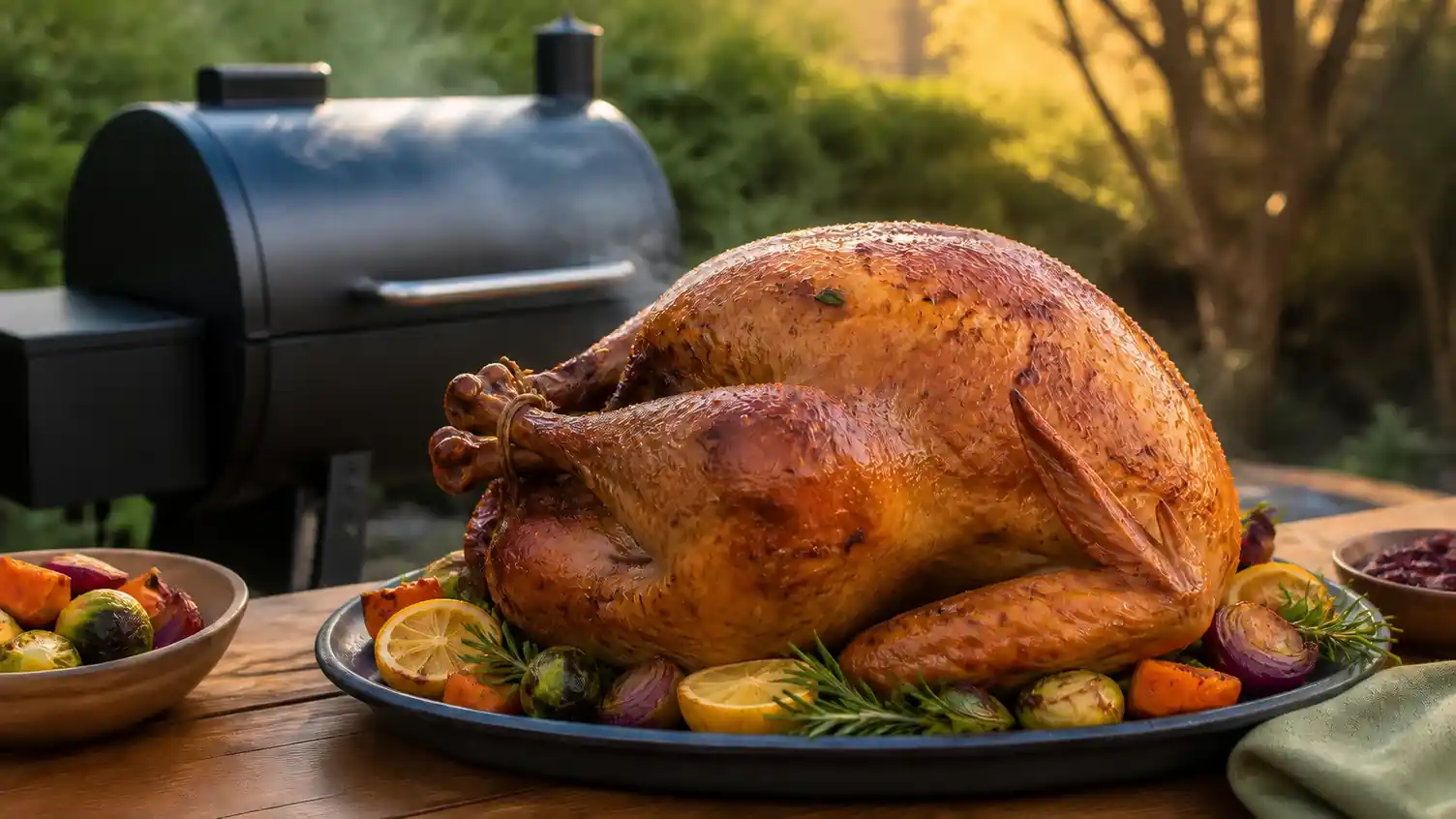
Traeger Recipes for Turkey: Easy Herb-Smoked Whole Bird
Traeger recipes for turkey made easy: smoke a juicy whole bird with garlic-herb rub, crisp skin, and reliable pellet-grill temperatures at home today.
Turkey · Prep 25 minutes · Cook 3 hours 30 minutes
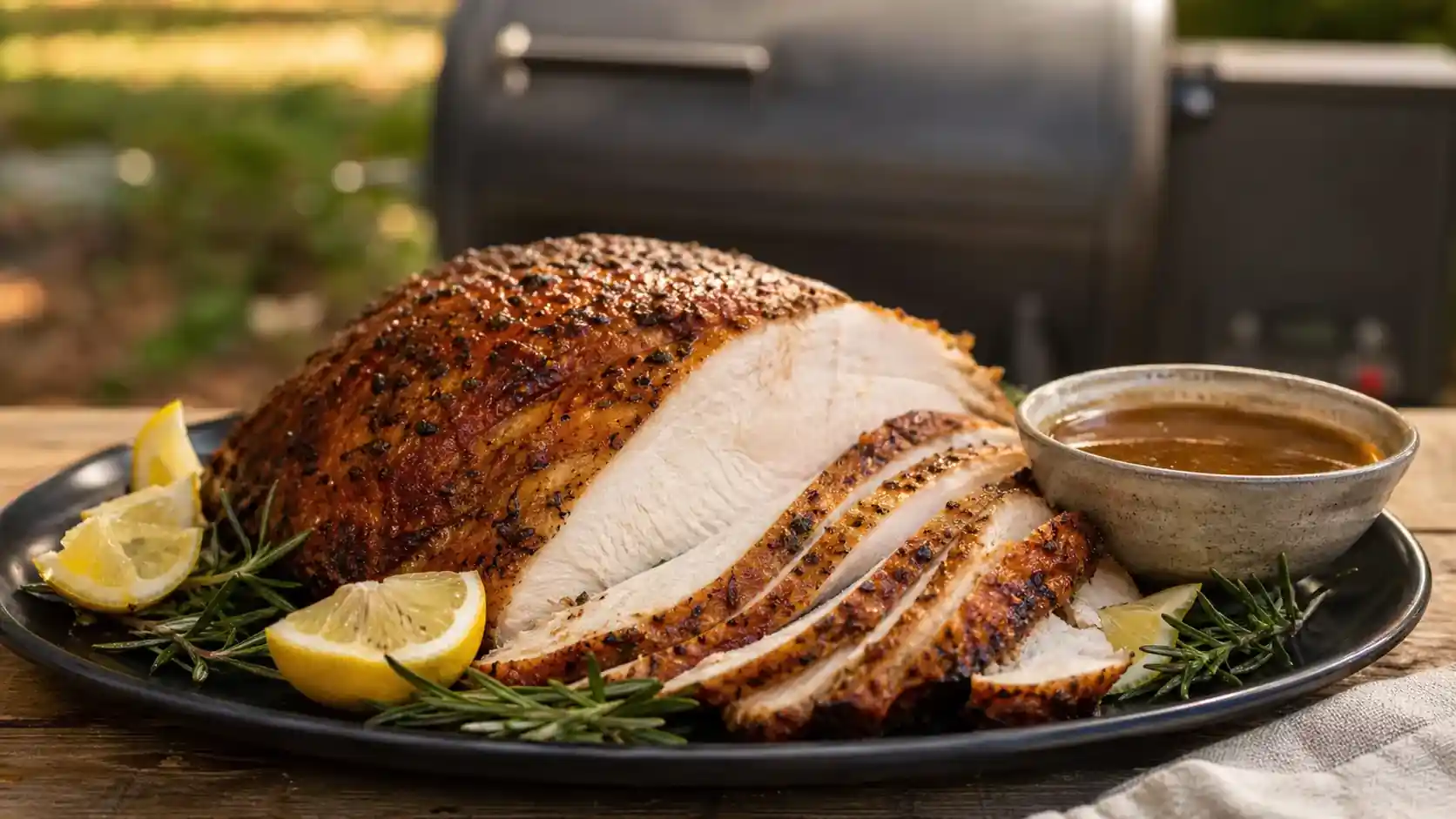
Easy Traeger Turkey Recipe: Juicy Smoked Turkey Breast
Make this Traeger turkey recipe for juicy herb-rubbed smoked turkey breast with crisp skin, gentle wood smoke, and reliable home carving and serving tips.
Turkey · Prep 20 minutes · Cook 2 hours
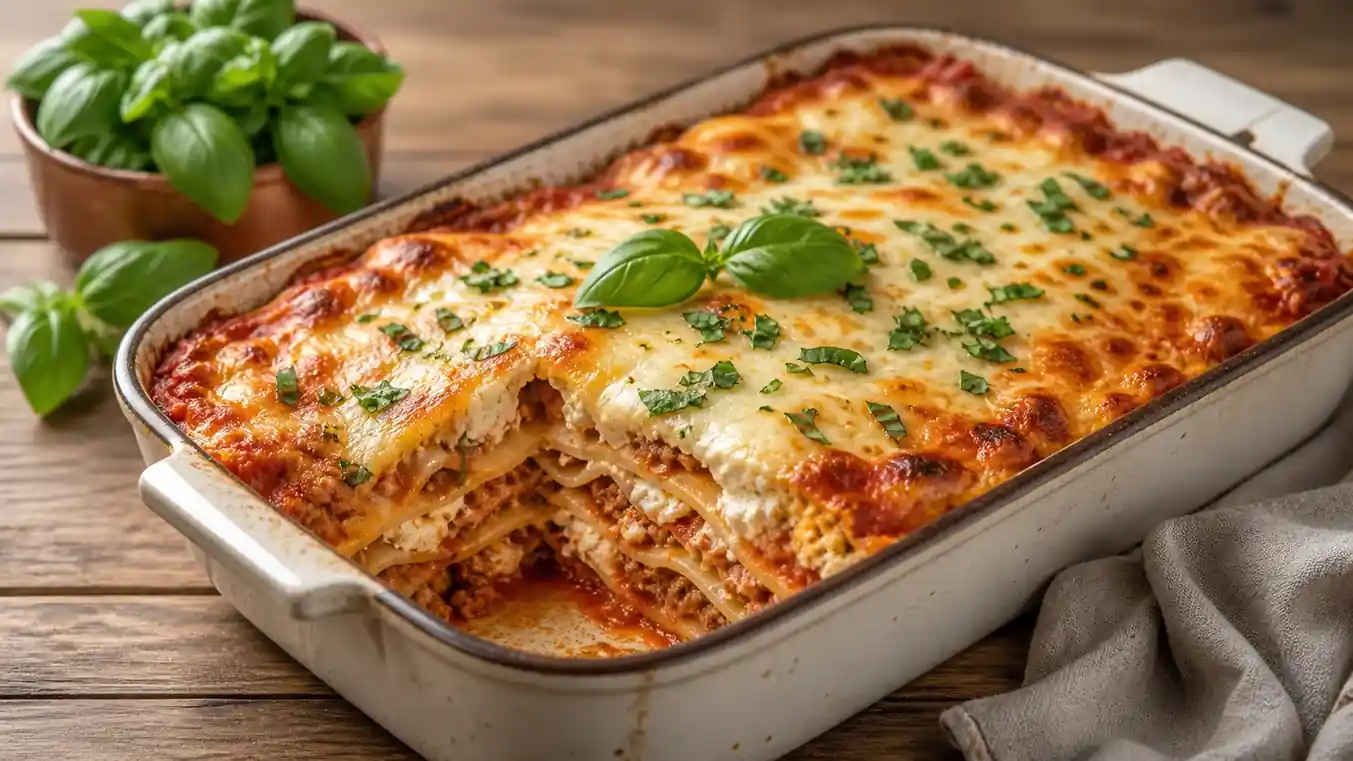
Turkey Lasagna Recipe: Easy Ground Turkey Family Dinner
Make this turkey lasagna recipe with savory ground turkey, tender noodles, tomato sauce, and creamy cheese for a hearty, easy baked family dinner.
Turkey · Prep 25 minutes · Cook 45 minutes